
Table of Contents
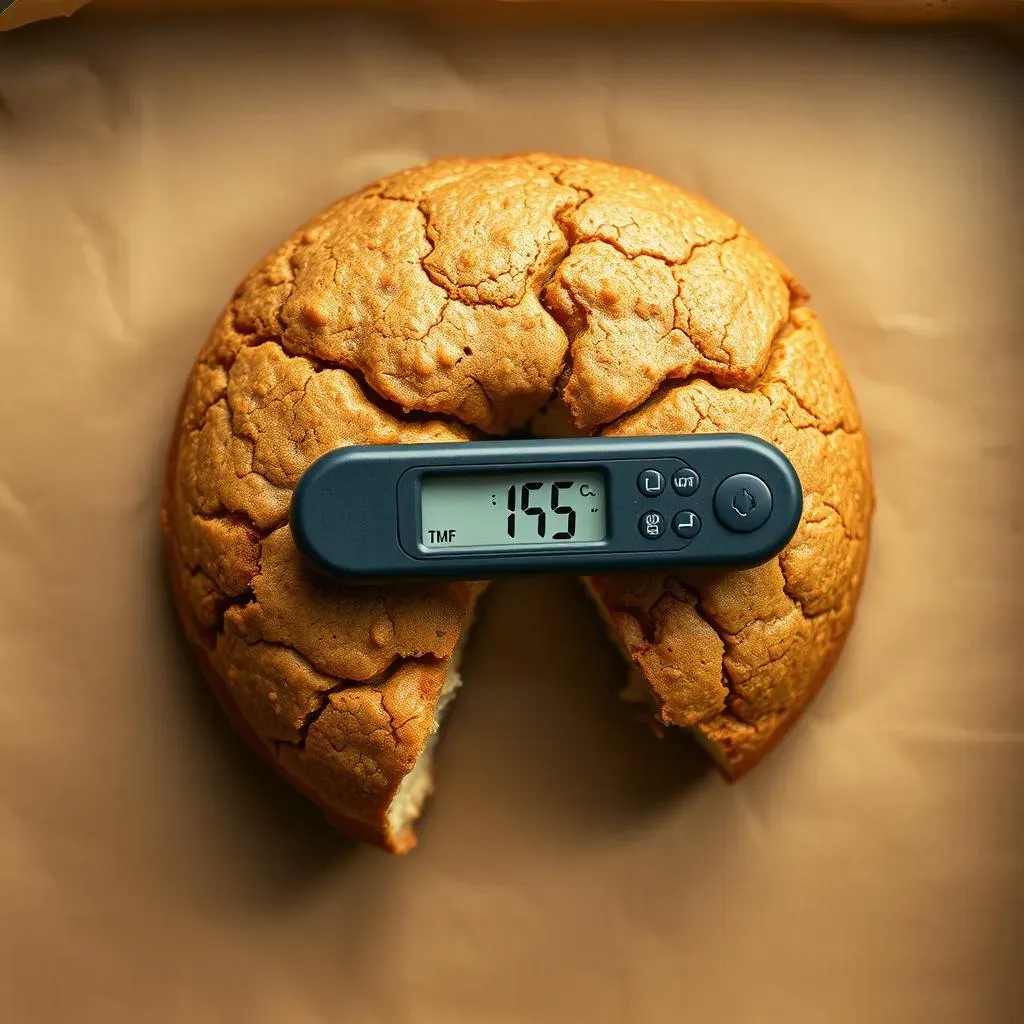
Ever dreamt of biting into a giant, chewy cookie, perfectly baked to golden perfection? That dream becomes reality with a cookie cake! But achieving that ideal texture—whether you prefer gooey or crispy—hinges on one crucial factor: cookie cake temperature. Too low, and you're left with a doughy mess. Too high, and you risk a burnt offering. Forget relying on guesswork or outdated methods like poking with a toothpick. We're diving deep into the science of baking to ensure your next cookie cake is a masterpiece.
Why Cookie Cake Temperature Matters: Baking and Food Safety
Why Cookie Cake Temperature Matters: Baking and Food Safety
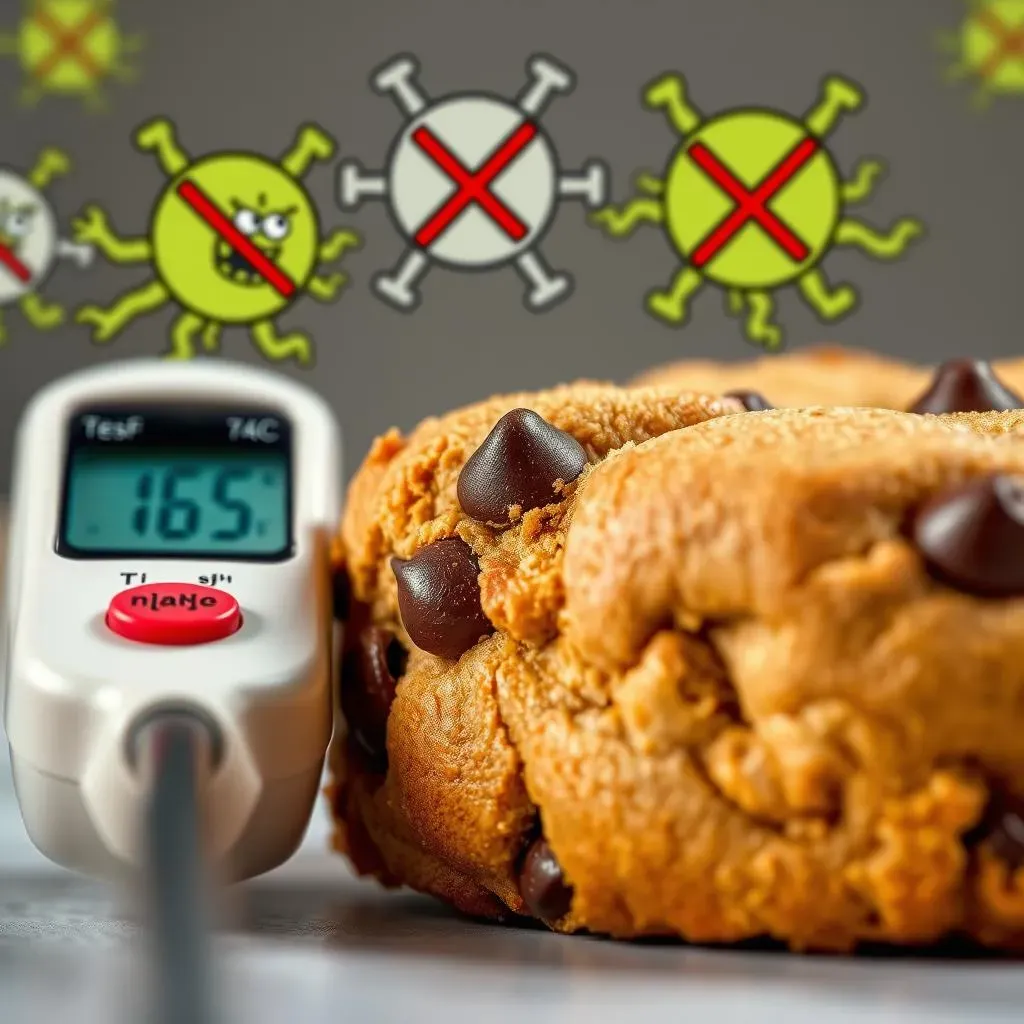
let's get real about why knowing your cookie cake temperature is non-negotiable. It's not just about bragging rights for baking the "perfect" cookie cake (though, let's be honest, that's a nice bonus). It's about food safety. Raw flour can harbor some nasty bacteria, like E. coli, that you definitely don't want to mess with. Baking to the correct internal temperature ensures these little buggers are killed off, keeping you and your loved ones safe and sound. Think of it as baking with a side of peace of mind.
Decoding Doneness: Cookie Cake Temperature Chart for Different Types
Decoding Doneness: Cookie Cake Temperature Chart for Different Types
The Goldilocks Zone: Finding the Right Temperature
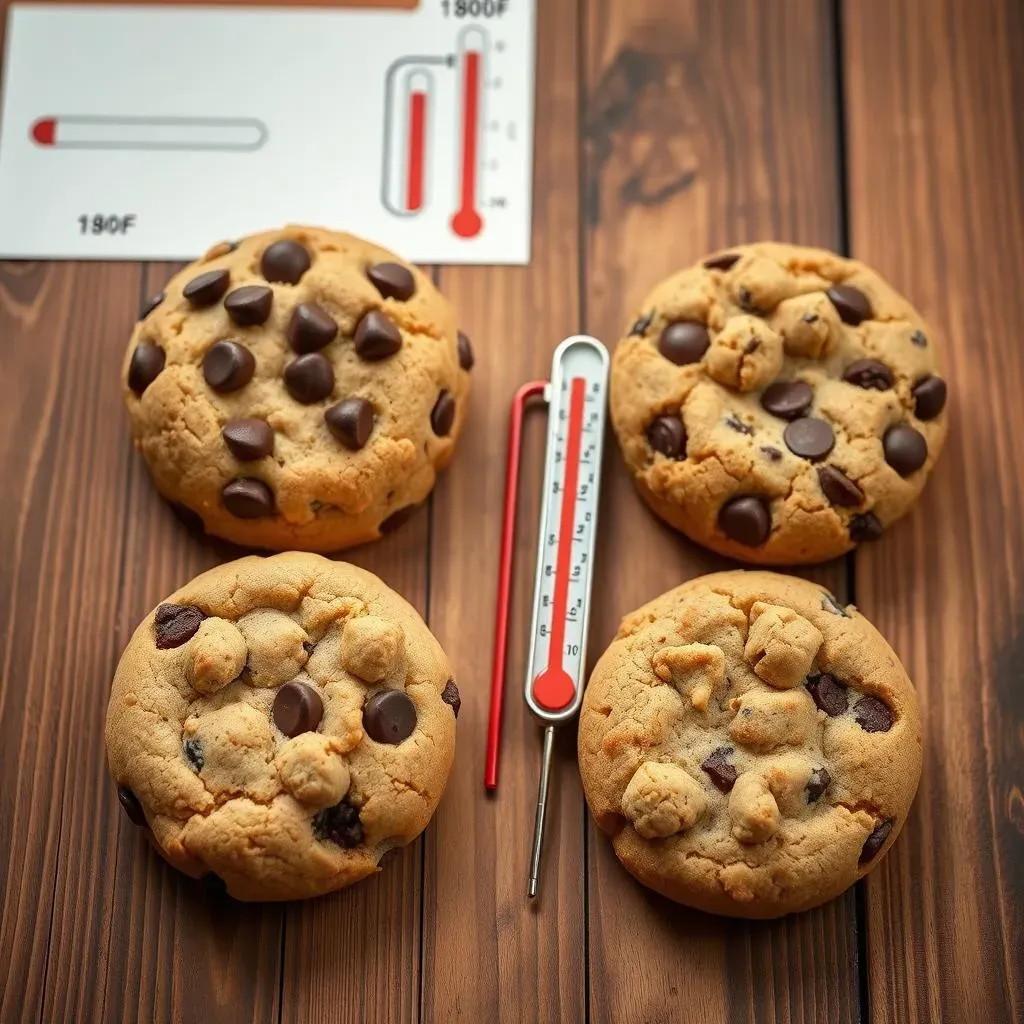
Alright, so you know temperature matters, but what's the magic number? Well, it's not one-size-fits-all. The ideal cookie cake temperature depends on the type of cookie cake you're making. Are we talking classic chocolate chip, a decadent brownie cookie hybrid, or something with fillings and mix-ins? Each style has its sweet spot. Think of it like Goldilocks and the three bears – you're aiming for a temperature that's not too high, not too low, but just right. This ensures the center is cooked through without the edges becoming hockey pucks.
Different ingredients and ratios affect the final doneness temperature. A cookie cake loaded with chocolate chunks will behave differently than one with a higher proportion of butter. That's why a cookie cake temperature chart is your best friend. It provides a general guideline, but remember that your oven and specific recipe might require slight adjustments. Consider it a starting point on your journey to cookie cake perfection!
Cookie Cake Temperature Chart
Here's a handy chart to get you started. Keep in mind these are general guidelines, and you should always double-check your specific recipe.
Cookie Cake Type | Internal Temperature | Notes |
|---|---|---|
Chocolate Chip | 175-185°F (80-85°C) | Edges should be golden brown, center slightly soft. |
Brownie Cookie (Brookies) | 165-175°F (74-80°C) | Aim for a fudgy center. |
Peanut Butter | 180-190°F (82-88°C) | Can dry out easily, so watch closely. |
Sugar Cookie | 170-180°F (77-82°C) | Pale golden color, avoid overbaking. |
Pro Tip: Always use a reliable instant-read thermometer to check the internal temperature. Insert it into the center of the cookie cake, avoiding any chocolate chips or mix-ins that could throw off the reading.
Achieving the Perfect Texture: Internal Cookie Cake Temperature Guide
Achieving the Perfect Texture: Internal Cookie Cake Temperature Guide
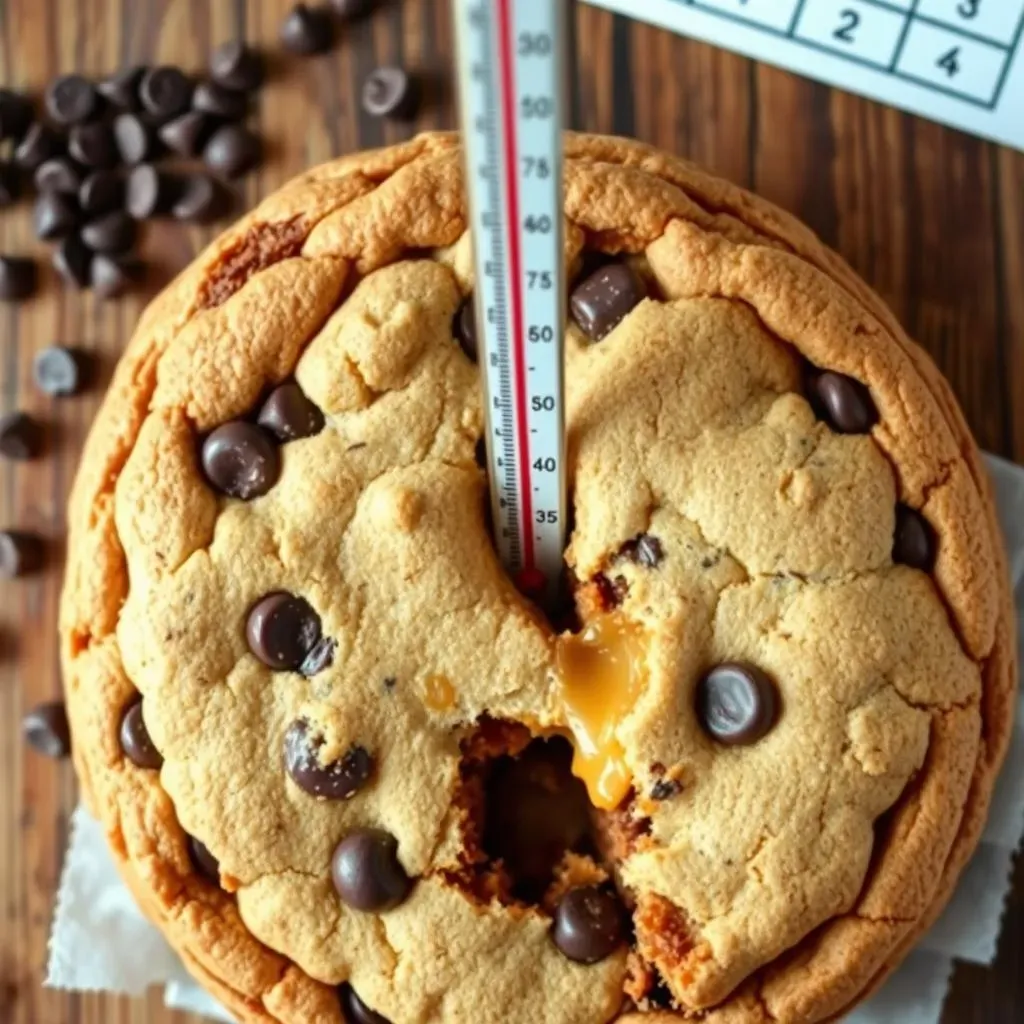
let's talk texture. This is where the internal cookie cake temperature truly shines. It's the difference between a cookie cake that's "meh" and one that's "OMG, where did you get this?!" Do you crave a gooey, slightly underbaked center that oozes deliciousness with every bite? Or are you more of a crispy-edged, chewy-centered kind of person? Maybe you want it cooked all the way through. No matter your preference, temperature is your control knob. Lower temperatures generally yield softer, gooier results, while higher temperatures lead to a crispier, more well-done texture.
Think of it like this: the internal temperature is cooking the cookie cake, and it's also dictating how the fats and sugars melt and caramelize. This caramelization is what gives you that desirable chewiness and depth of flavor. So, understanding how temperature affects these processes is the key to unlocking your ideal cookie cake experience. It's not just about hitting a specific number; it's about understanding the science behind the bake and how it translates to the final product.
Gooey Goodness vs. Crispy Perfection: Tailoring Your Bake
So, how do you translate your texture preferences into actionable baking steps? It starts with understanding your oven. Every oven is different, and what reads as 350°F (175°C) on the dial might actually be hotter or cooler. An oven thermometer is a must-have for any serious baker (or cookie cake enthusiast!). Once you know your oven's true temperature, you can start experimenting with bake times and internal temperatures.
For a gooey center, aim for the lower end of the recommended temperature range for your specific cookie cake type (refer back to that handy chart!). You might even pull it out a degree or two early, as the cookie cake will continue to cook slightly as it cools. For a crispier texture, go for the higher end of the temperature range, and consider adding a few extra minutes to the bake time. Just be careful not to overbake, as this can lead to a dry, crumbly cookie cake. Finding the sweet spot requires a bit of trial and error, but trust me, it's worth it!
- For Gooey Centers: Lower temp, shorter bake time, slightly underbaked appearance.
- For Crispy Edges: Higher temp, longer bake time, golden brown color.
- For Chewy Texture: Balance of temp and time, even browning.
Beyond the Thermometer: Visual Cues for a Perfectly Baked Cookie Cake
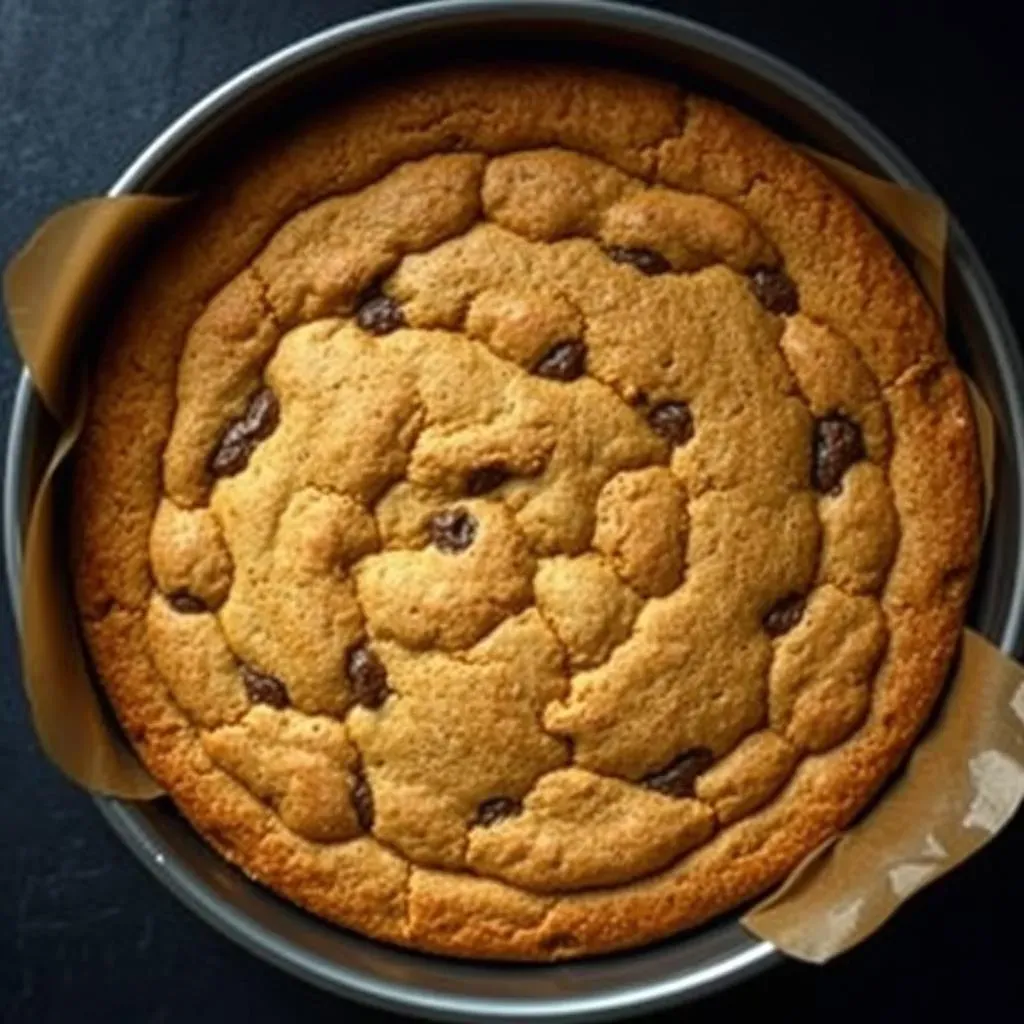
Beyond the Thermometer: Visual Cues for a Perfectly Baked Cookie Cake
so you've got your thermometer, you're checking that internal cookie cake temperature like a pro, but let's be real – sometimes you just want to *see* if it's done. That's where visual cues come in! Think of them as your backup singers, harmonizing with your thermometer to create a symphony of baking perfection. Learning to recognize these signs can save you from dry, overbaked disappointments or, worse, a gooey, undercooked center that nobody wants. It's about developing a baker's intuition, a sense of what "done" looks like, smells like, and even feels like.
These visual cues will help. The color, the edges and the texture will all give clues to the doneness of your cookie cake. As you bake more and more cookie cakes, you will be able to tell when they are done.
Color, Edges, and Texture: Reading the Signs
So, what exactly should you be looking for? First, pay attention to the color. A perfectly baked cookie cake should have a beautiful golden brown hue, especially around the edges. The center might still look slightly soft, but the edges should be set and firm. If the entire cookie cake is pale and doughy-looking, it needs more time in the oven. On the other hand, if the edges are dark brown or even burnt, you've gone too far.
Next, check the edges. They should be slightly pulling away from the sides of the pan. This indicates that the gluten has set and the cookie cake is firming up. Finally, give the surface a gentle tap. It should feel firm to the touch, but still have a slight give in the center. If it feels rock-hard, it's likely overbaked. If it feels wobbly and unstable, it needs more time. It's a delicate balance, but with practice, you'll get the hang of it!
- Color: Golden brown, especially around the edges.
- Edges: Slightly pulling away from the pan.
- Texture: Firm to the touch, with a slight give in the center.
Real Talk: Don't be afraid to experiment! Every oven is different, and the only way to truly master visual cues is to bake, bake, bake. Take notes on your successes and failures, and soon you'll be able to tell when a cookie cake is done with just a glance.
Troubleshooting Your Cookie Cake: Temperature and Baking Time FAQs
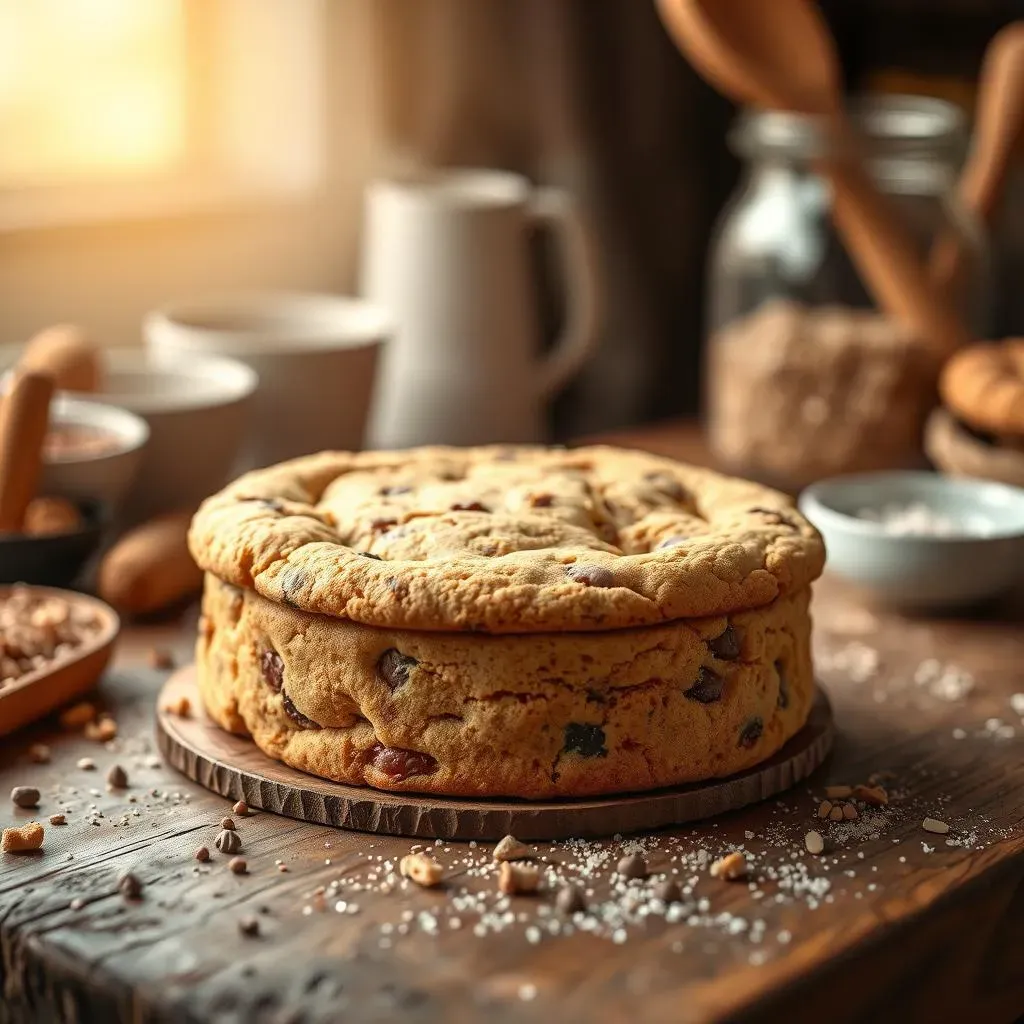
Troubleshooting Your Cookie Cake: Temperature and Baking Time FAQs
Alright, so you've armed yourself with knowledge about temperatures, visual cues, and the delicate dance between gooey and crispy. But what happens when things go sideways? Don't panic! Baking is a journey, and even seasoned pros encounter bumps in the road. That's where this FAQ section comes in. We're tackling common cookie cake conundrums related to temperature and baking time, so you can troubleshoot like a boss and rescue your dessert dreams from disaster. After all, a slightly imperfect cookie cake is still a cookie cake, and that's always a win in my book!
Common Cookie Cake Problems and Solutions
Let's dive into some of the most frequently asked questions (and frustrating problems) when it comes to baking cookie cakes. Remember, every oven is different, so these are general guidelines. Don't be afraid to experiment and adjust based on your own experiences.
Problem | Possible Cause | Solution |
|---|---|---|
Center is underbaked, edges are burnt | Oven temperature too high | Lower oven temperature by 25°F (15°C). |
Cookie cake is flat and greasy | Too much butter, oven temperature too low | Use slightly less butter, ensure oven is preheated to the correct temperature. |
Cookie cake is dry and crumbly | Overbaking, too much flour | Reduce baking time, measure flour accurately. |
Top is cracked | Oven temperature too high, not enough moisture | Lower oven temperature, add a tablespoon of milk or water to the dough. |
Pro Tip: Invest in an oven thermometer! Oven dials can be notoriously inaccurate. Knowing your oven's true temperature is crucial for consistent baking results.
Conclusion: Mastering Cookie Cake Temperature for Baking Success
Ultimately, achieving cookie cake perfection boils down to understanding and controlling temperature. Ditch the guesswork and embrace the precision of a good thermometer. Whether you're aiming for a fudgy center, a crisp edge, or a beautifully even bake, knowing the right internal temperature empowers you to create consistently delicious results. So, armed with this knowledge, go forth and bake with confidence. Your dream cookie cake awaits!