
Table of Contents
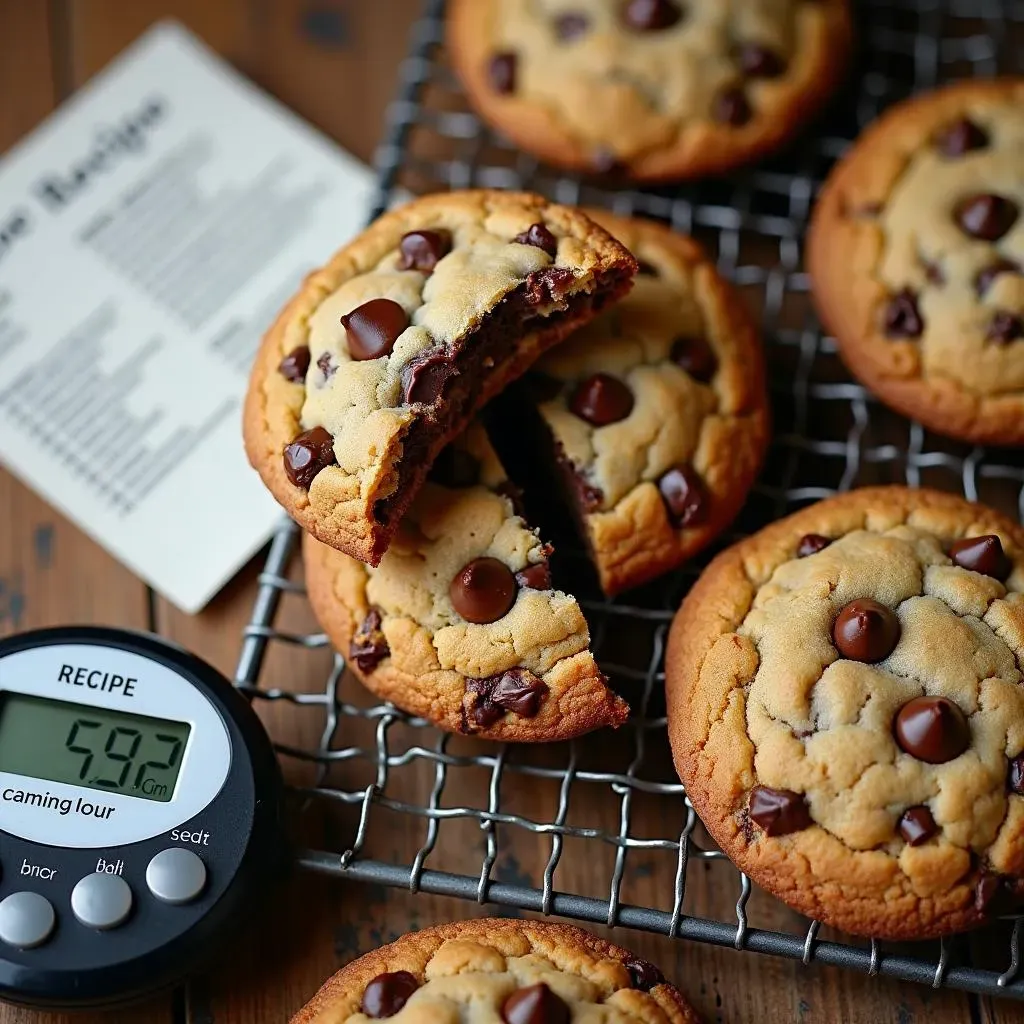
Craving that perfect chocolate chip cookie – the kind with a gooey center, slightly crisp edges, and an irresistible buttery flavor? Forget measuring cups and spoons! The secret to consistently amazing cookies lies in precision, and that means embracing the chocolate chip cookies recipe in grams. This isn't about being fussy; it's about understanding the science behind baking and how accurate measurements can transform your cookies from ordinary to extraordinary. In this guide, we'll ditch the guesswork and dive into the world of gram-perfect baking. We'll explore how using a kitchen scale impacts texture, consistency, and overall flavor. From achieving that coveted soft chew to troubleshooting common baking mishaps like flat cookies, we'll cover it all. Plus, we’ll even look at fun variations you can experiment with, all while keeping grams as our guiding star. So, grab your scale, preheat your oven, and get ready to unlock the secrets to chocolate chip cookie perfection!
The Science of Softness: Mastering Chocolate Chip Cookies Recipe in Grams
The Science of Softness: Mastering Chocolate Chip Cookies Recipe in Grams
The Gram Advantage: Why Weighing Matters
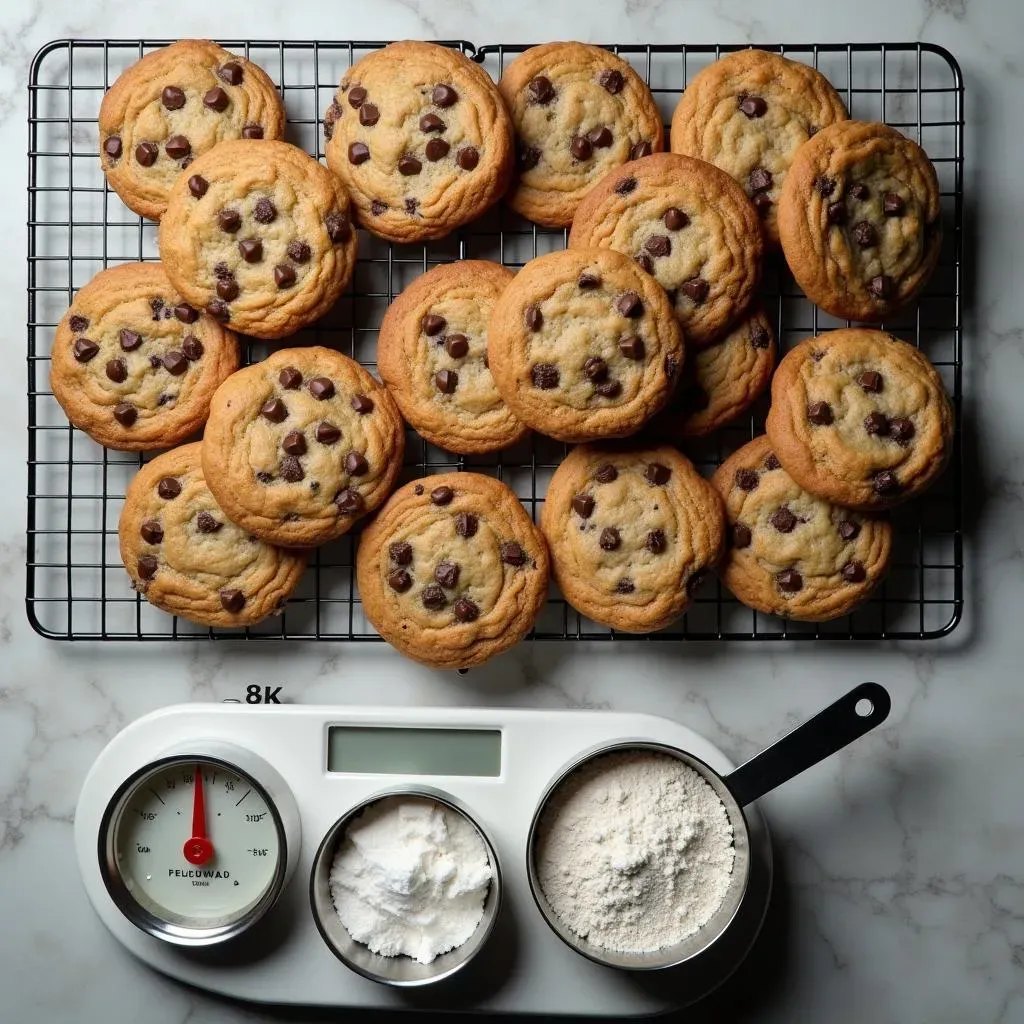
let's get real. You've probably made chocolate chip cookies a million times, right? Maybe you even have a go-to recipe passed down through generations. But have you ever stopped to think about *how* you're measuring your ingredients? Scooping flour can lead to wildly different amounts depending on how tightly packed it is. Same goes for sugar. This is where grams come in to play. Using a kitchen scale to measure your ingredients by weight ensures consistency. Every. Single. Time. No more cookies that are flat one day and cakey the next! It's about taking control of your bake and understanding the impact of each ingredient.
Think of it like this: baking is chemistry. And in chemistry, precision is key. Grams offer that precision, eliminating the variability that comes with volume measurements. It's a game-changer, trust me.
The Role of Flour and Sugar: A Gram-by-Gram Breakdown
So, how do specific ingredients contribute to that soft, melt-in-your-mouth texture we all crave? Flour and sugar are major players. With flour, the goal is to develop just enough gluten to give the cookies structure, but not so much that they become tough. Too much flour (easily done when measuring by volume) leads to a dry, crumbly cookie. Too little, and they'll spread too thin. Grams help you hit that sweet spot. As for sugar, it's not just about sweetness. The ratio of brown sugar to granulated sugar significantly affects the cookie's texture. Brown sugar, with its molasses content, adds moisture and chewiness. Granulated sugar promotes crispness. By carefully controlling the grams of each, you can fine-tune the softness to your liking.
Ever wonder why some recipes call for bread flour? Bread flour has a higher protein content, which means more gluten development. If you're aiming for a super chewy cookie, a small amount of bread flour (measured precisely in grams, of course!) can do the trick. But be careful not to overdo it!
Ingredient | Effect on Softness | Why Grams Matter |
|---|---|---|
Flour | Too much = dry, tough; Too little = flat | Ensures consistent gluten development |
Brown Sugar | Adds moisture and chewiness | Provides accurate molasses content |
Granulated Sugar | Promotes crispness | Balances moisture and crispness |
Fat Facts: Butter and Softness
Let's talk fat! Specifically, butter. The type of butter you use and its temperature can dramatically impact your cookies. For soft cookies, you want to use unsalted butter (so you can control the salt content) and make sure it's at cool room temperature – not melted, not rock-hard. Why? Because when you cream room-temperature butter with sugar, you create tiny air pockets. These air pockets expand during baking, resulting in a lighter, softer cookie. Melted butter, on the other hand, will lead to flatter, denser cookies. And again, grams are crucial for ensuring you're using the correct amount of butter, regardless of its temperature.
A trick I've learned is to use European-style butter. It has a higher fat content and lower water content than American butter, which results in richer, more tender cookies. But whatever butter you choose, weigh it out!
Chewy vs. Crispy: Tailoring Your Chocolate Chip Cookie Recipe in Grams
Chewy vs. Crispy: Tailoring Your Chocolate Chip Cookie Recipe in Grams
The Brown Sugar Secret: Unlocking Chewy Goodness
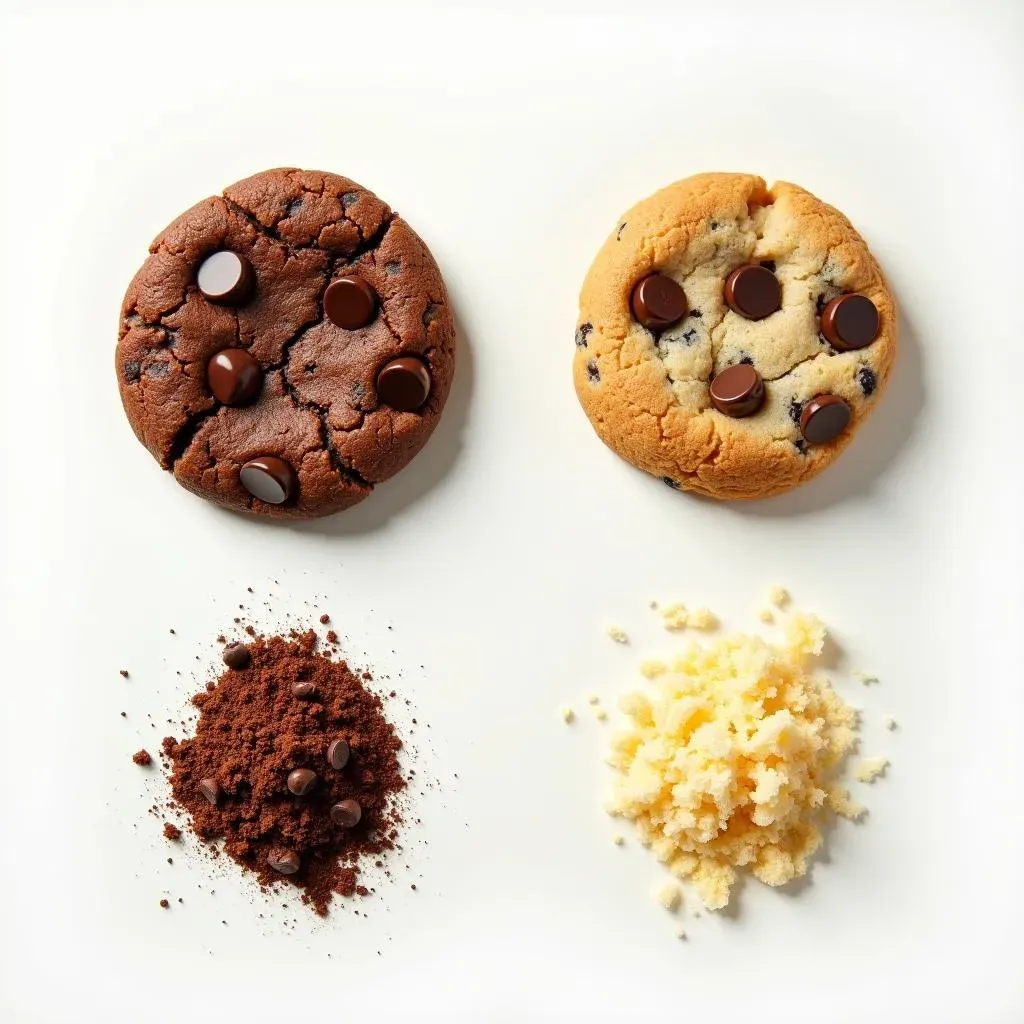
Alright, so you're after that ultimate chewy cookie? The kind that practically melts in your mouth? Brown sugar is your secret weapon. The molasses in brown sugar is hygroscopic, meaning it attracts and retains moisture. This keeps your cookies soft and chewy long after they've cooled. But here's the thing: not all brown sugar is created equal. Light brown sugar has less molasses than dark brown sugar, resulting in a slightly less intense flavor and chewier texture. Experiment with different ratios of light and dark brown sugar (always measured in grams, of course!) to find your perfect chewiness level. I personally love a mix of half light and half dark for a balanced flavor and texture.
Another trick? Don't be afraid to pack your brown sugar when weighing it. This ensures you're getting the right amount of molasses in your dough. It's a small detail, but it makes a big difference.
The Butter Breakdown: Melted vs. Creamed for Texture
Remember how we talked about butter in the last section? Well, it plays an equally important role in determining whether your cookies are chewy or crispy. For chewier cookies, try melting half of your butter and creaming the other half with the sugar. The melted butter contributes to a denser, chewier texture, while the creamed butter still provides some of those desirable air pockets. It's a balancing act! And yes, you guessed it, weigh that butter precisely in grams!
Also, consider browning your butter. Brown butter adds a nutty, complex flavor that complements the chewiness perfectly. Just be careful not to burn it! Once it's cooled slightly, weigh it out and add it to your dough.
Texture Goal | Brown Sugar Ratio | Butter Prep |
|---|---|---|
Extra Chewy | Higher ratio of dark brown sugar | Melt half, cream half |
Crisp Edges, Chewy Center | Equal parts light and dark brown sugar | Cream all butter |
Baking Time and Temperature: The Crispness Connection
Finally, let's talk about baking time and temperature. Shorter baking times at slightly higher temperatures (around 375°F or 190°C) will result in cookies with crispier edges and softer centers. Longer baking times at lower temperatures (around 325°F or 160°C) will yield chewier, more evenly baked cookies. Keep a close eye on your cookies while they're in the oven, and adjust the baking time as needed. Remember, every oven is different! And don't forget to let your cookies cool completely on the baking sheet before transferring them to a wire rack. This allows them to set properly and prevents them from becoming too soft or too crispy.
Pro tip: Underbaking your cookies slightly will always result in a chewier texture. Just make sure they're not completely raw in the middle!
Troubleshooting Your Bake: Common Chocolate Chip Cookie Fails (and How Grams Can Help!)
Troubleshooting Your Bake: Common Chocolate Chip Cookie Fails (and How Grams Can Help!)
Flat as a Pancake: The Spreading Saga
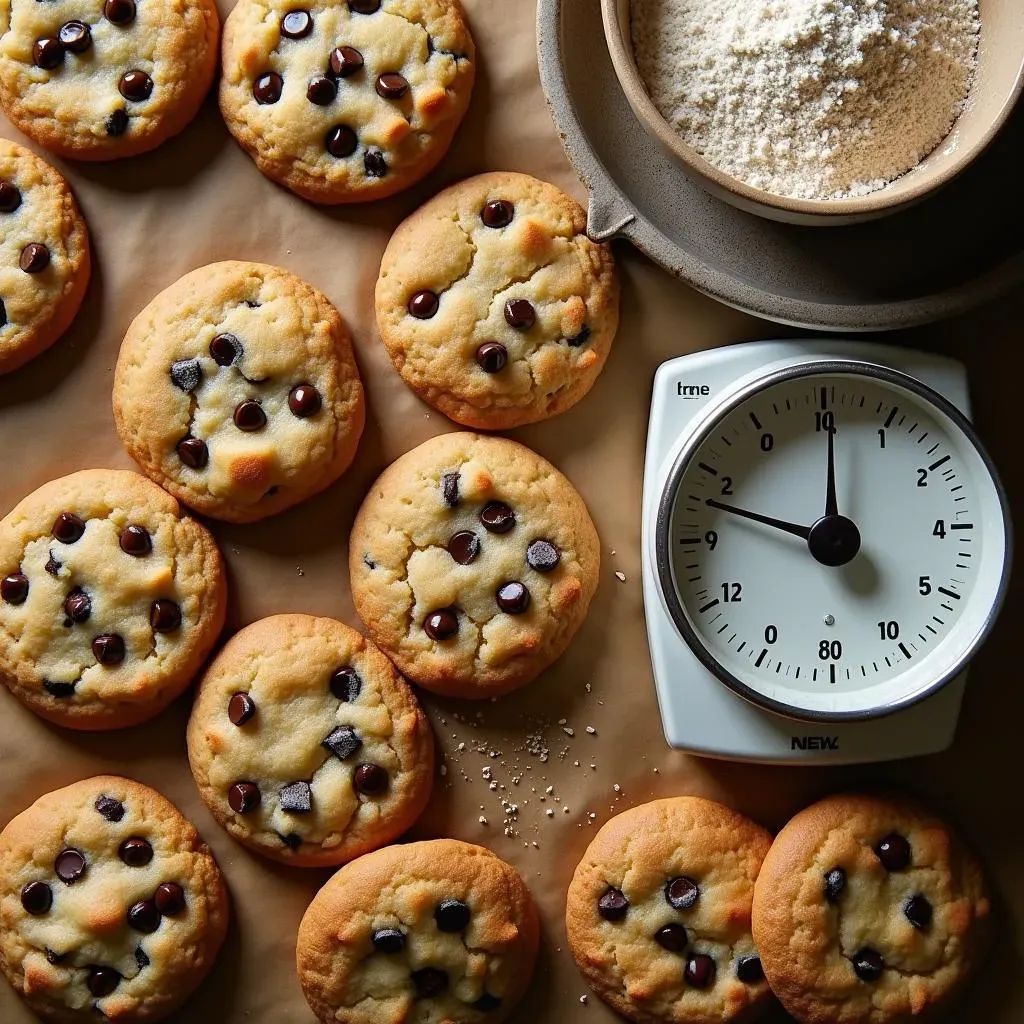
let's talk about the dreaded flat cookie. You mix up your dough, you bake it, and instead of a beautiful, thick cookie, you get a sad, thin disc. What went wrong? One of the biggest culprits is butter that's too warm. If your butter is melted or even too soft, it will spread excessively in the oven. Remember, we want cool room-temperature butter for those crucial air pockets! But it's not just about butter temperature. Too much sugar can also cause excessive spreading. Sugar melts in the oven, and if there's too much of it relative to the other ingredients, your cookies will flatten out. This is where weighing your ingredients in grams becomes essential. It ensures you have the correct ratio of butter, sugar, and flour, preventing that dreaded pancake effect.
Another tip? Chill your dough! Chilling the dough allows the butter to firm up, which slows down the spreading process in the oven. I usually chill my dough for at least 30 minutes, but longer is even better. Some bakers swear by chilling their dough overnight for maximum thickness and flavor development.
Cakey Catastrophe: When Cookies Get Too Puffy
On the other end of the spectrum, we have the cakey cookie. This is when your cookies puff up in the oven and end up with a soft, cake-like texture instead of that desirable chewy center. The most common cause of cakey cookies is too much flour. As we discussed earlier, excess flour leads to a dry, dense cookie with a cakey texture. Again, grams to the rescue! Weighing your flour ensures you're not accidentally adding too much. Another culprit could be overmixing the dough. Overmixing develops too much gluten, which contributes to a cakey texture. Mix your dough until the ingredients are just combined, and no more!
Also, check your leavening agents. Too much baking powder can also cause cookies to puff up excessively. Make sure you're using the correct amount of baking powder or baking soda, and that they're not expired. Expired leavening agents won't work properly, leading to inconsistent results. I always write the date I opened my baking powder container on the lid, so I know when it's time to replace it.
Problem | Possible Cause | Grams Solution |
|---|---|---|
Flat Cookies | Butter too warm, too much sugar | Weigh butter and sugar accurately |
Cakey Cookies | Too much flour, overmixing | Weigh flour accurately, avoid overmixing |
Hard Cookies | Overbaking, too much flour | Monitor baking time, weigh flour accurately |
Beyond the Basic: Creative Chocolate Chip Cookies Recipe Variations (Using Grams for Precision)
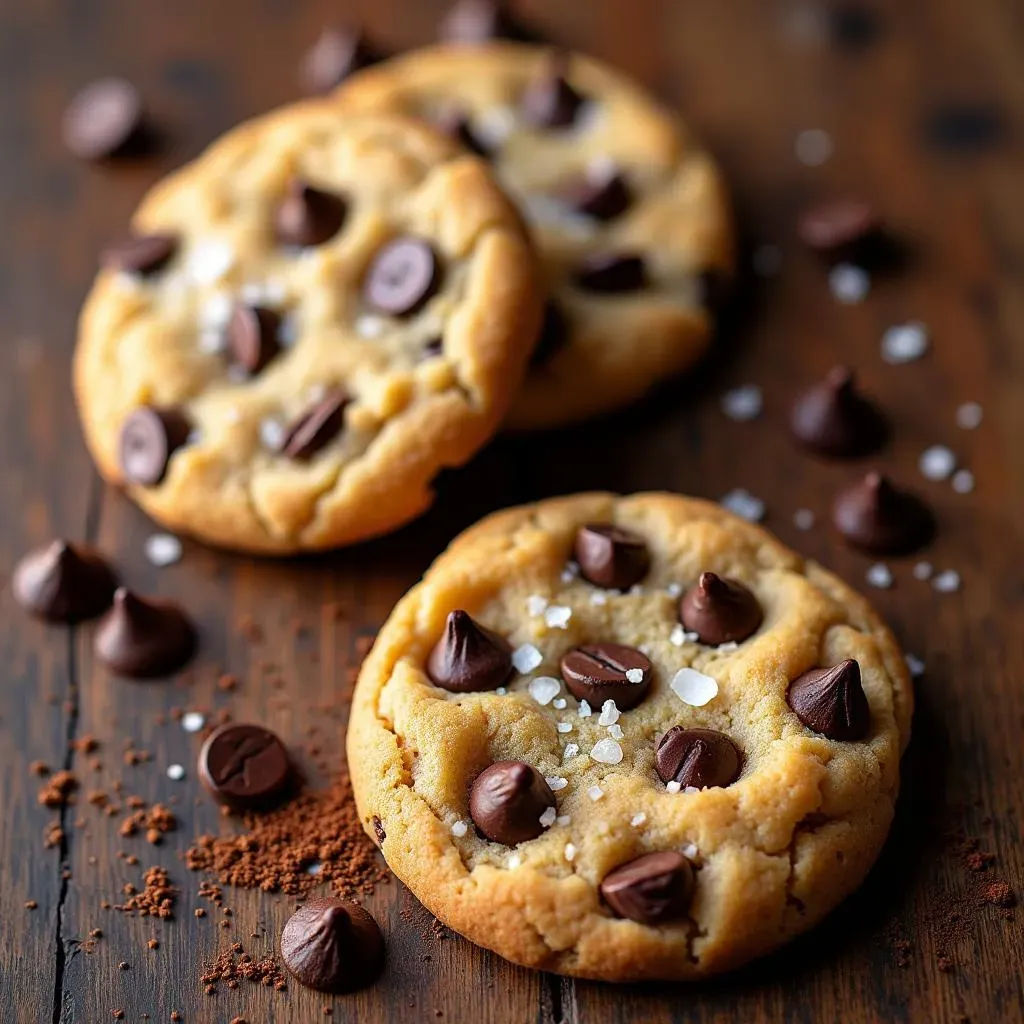
Beyond the Basic: Creative Chocolate Chip Cookies Recipe Variations (Using Grams for Precision)
Salted Caramel Chocolate Chip Cookies: A Sweet and Salty Symphony
so you've mastered the basic chocolate chip cookie. Now it's time to get a little wild! One of my absolute favorite variations is salted caramel chocolate chip cookies. The combination of sweet caramel, rich chocolate, and a touch of salt is simply divine. The key here is to make your own salted caramel sauce. It's surprisingly easy, and the flavor is so much better than store-bought. You'll need sugar, butter, heavy cream, and sea salt. Cook the sugar until it's a deep amber color, then whisk in the butter and cream. Be careful, it will bubble up! Stir in the salt, let it cool slightly, and then drizzle it over your cookie dough before baking. The amount of caramel you use is up to you, but I recommend about 50-75 grams per batch of cookies. And of course, weigh all your other ingredients in grams for perfect balance!
Don't be shy with the sea salt! A sprinkle of flaky sea salt on top of the baked cookies really enhances the caramel flavor. It's the perfect finishing touch.
Double Chocolate Espresso Cookies: A Caffeine Kick in Every Bite
For all you coffee lovers out there, these double chocolate espresso cookies are a must-try. They're rich, decadent, and packed with caffeine! The secret is to add both cocoa powder and melted chocolate to your dough, along with a shot of espresso. Use high-quality cocoa powder for the best flavor. I recommend Dutch-processed cocoa powder, which is less acidic and has a smoother, more chocolatey taste. As for the espresso, you can use freshly brewed espresso or instant espresso powder. If you're using instant espresso powder, dissolve it in a tablespoon of hot water before adding it to the dough. And again, weigh all your ingredients in grams for optimal results! The amount of espresso you use is up to you, but I find that about 30-45 grams is perfect.
To really take these cookies over the top, add some chopped chocolate-covered espresso beans. They add a delightful crunch and an extra boost of caffeine!
Variation | Key Ingredient | Grams Tip |
|---|---|---|
Salted Caramel | Homemade Caramel Sauce | Weigh caramel sauce (50-75g) |
Double Chocolate Espresso | Espresso, Cocoa Powder | Weigh espresso (30-45g), use Dutch-processed cocoa |
The Sweet Success of Gram-Perfect Cookies
So, there you have it! Embracing a chocolate chip cookies recipe in grams isn't just about precision; it's about unlocking a whole new level of control and consistency in your baking. By ditching those volume measurements and opting for the accuracy of a kitchen scale, you can bid farewell to unpredictable results and say hello to cookies that are consistently delicious, every single time. Whether you're chasing that perfect chewy texture, experimenting with exciting flavor combinations, or simply aiming for a batch of cookies that rivals your favorite bakery, remember that the key to success lies in the grams. Happy baking!