
Table of Contents
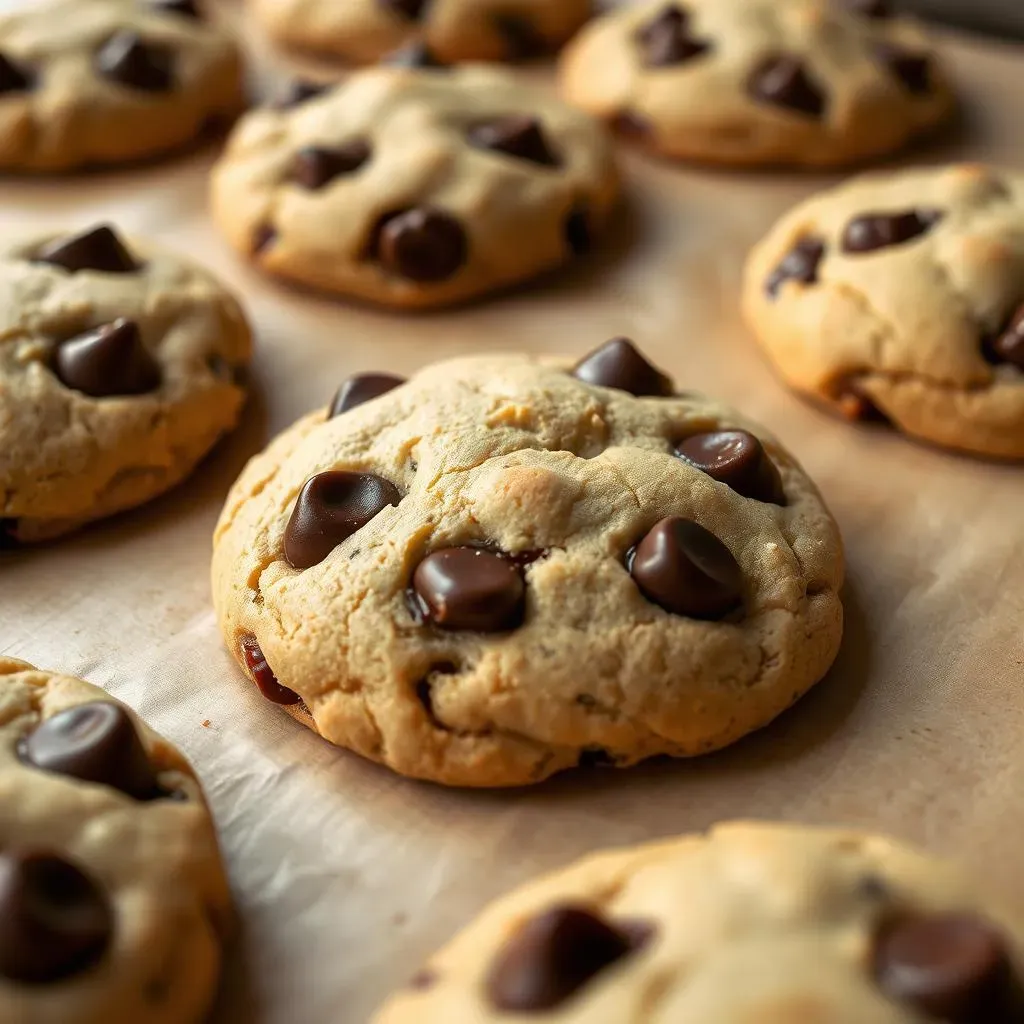
Ever wonder what makes those bakery chocolate chip cookies so irresistibly soft and chewy? The secret ingredient might just be cake flour! If you're on a quest for the ultimate chocolate chip cookie recipe using cake flour, you've landed in the right spot. Forget those flat, crispy disappointments – we're diving headfirst into a world of thick, tender, melt-in-your-mouth goodness. This isn't just another recipe; it's your guide to mastering the art of the perfect cookie, leveraging the magic of cake flour to achieve a texture that's simply divine.
What Makes Cake Flour the Secret to Perfect Chocolate Chip Cookies?
What Makes Cake Flour the Secret to Perfect Chocolate Chip Cookies?
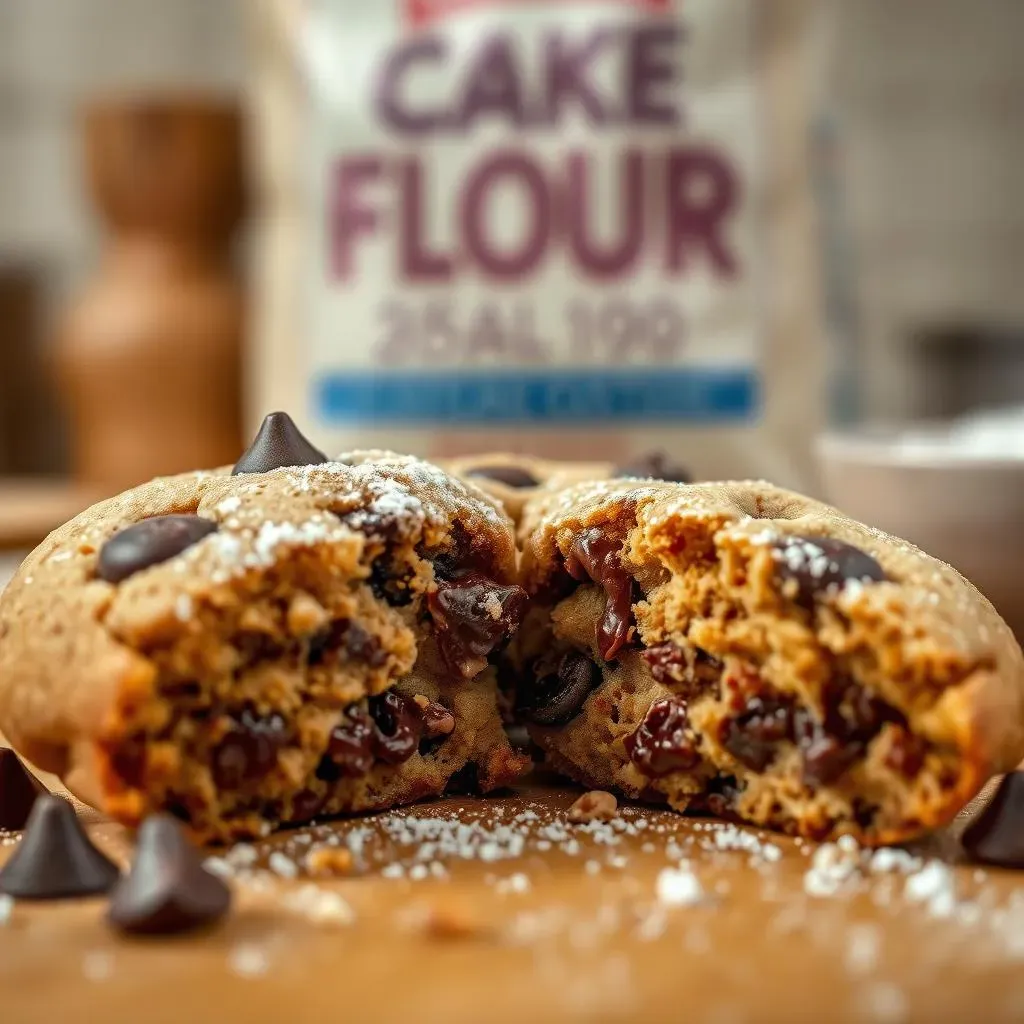
so you're probably wondering, "Why cake flour? Isn't that for, you know, cake?" Well, buckle up, because this is where the magic happens. Cake flour is the secret weapon for achieving that soft, almost melt-in-your-mouth texture that defines a truly exceptional chocolate chip cookie. The key lies in its protein content – or rather, the lack thereof. Compared to all-purpose flour, cake flour boasts significantly less protein, which translates to less gluten development. And less gluten means a more tender crumb, preventing your cookies from becoming tough or chewy (unless that's your thing, of course!).
Think of it this way: all-purpose flour is like the bodybuilder of flours, ready to create strong, elastic structures. Cake flour, on the other hand, is more like a ballerina – delicate, graceful, and perfect for creating a light and airy texture. When you use cake flour in your chocolate chip cookies, you're essentially telling the gluten to take a chill pill, resulting in a cookie that's soft, delicate, and utterly irresistible. It's all about finding the right balance, and cake flour is the ingredient that tips the scales in favor of cookie perfection.
Cake flour's fine texture also plays a crucial role. It's milled to a super-fine consistency, which allows it to absorb more liquid and fat. This increased absorption contributes to the cookie's overall moistness and helps create that signature soft bite. Plus, the higher starch content in cake flour helps to create a more delicate structure, preventing the cookies from becoming dense or heavy.
- Lower Protein: Less gluten = tender cookies.
- Fine Texture: Better liquid absorption = moist cookies.
- Higher Starch: Delicate structure = light cookies.
Now, some bakers might argue that all-purpose flour is the only way to go, citing its versatility and structural integrity. And while all-purpose flour certainly has its merits, it simply can't replicate the unique tenderness that cake flour brings to the table. It's a matter of preference, of course, but if you're chasing that bakery-style soft cookie, cake flour is your golden ticket.
Ingredients for Your Dream Chocolate Chip Cookie Recipe Using Cake Flour
Ingredients for Your Dream Chocolate Chip Cookie Recipe Using Cake Flour
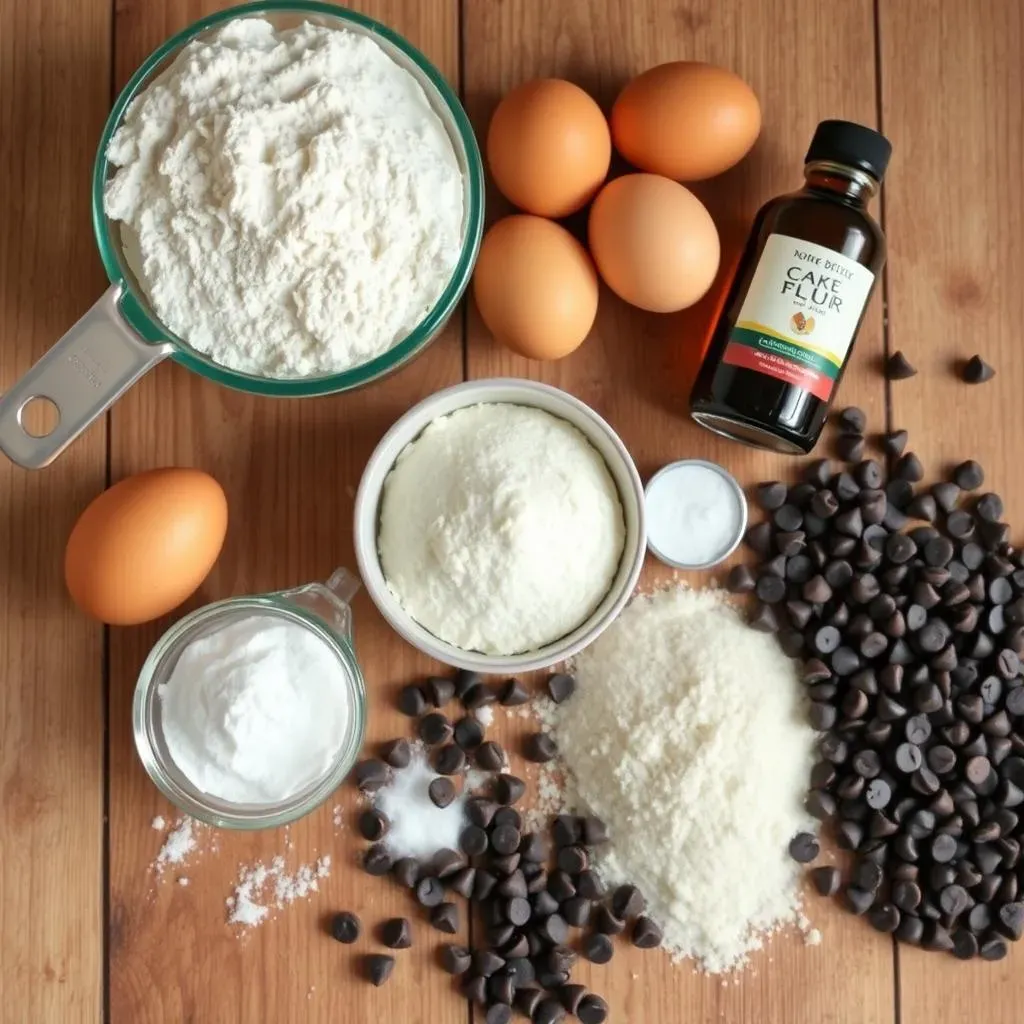
Alright, let's talk ingredients – the building blocks of our soon-to-be-amazing cookies! You can't just throw any old stuff together and expect a masterpiece. It's like trying to paint the Mona Lisa with sidewalk chalk. So, here’s what you'll need to gather for this chocolate chip cookie recipe using cake flour:
- Cake Flour: The star of the show! About 2 1/4 cups (281 grams), measured carefully. Remember, precision is key.
- Unsalted Butter: 1 cup (2 sticks, 226 grams), softened to room temperature. Not melted, not cold – softened.
- Granulated Sugar: 3/4 cup (150 grams) for that classic sweetness.
- Brown Sugar: 3/4 cup (165 grams), packed. Light or dark brown sugar works, depending on your preference for molasses flavor.
- Large Eggs: 2 of 'em. They should be at room temperature too – it helps them incorporate better.
- Vanilla Extract: A tablespoon (15ml) of the good stuff. Don't skimp on the vanilla!
- Baking Soda: 1 teaspoon (5 grams). This is our leavening agent, giving the cookies lift.
- Salt: 1/2 teaspoon (3 grams). Salt enhances the flavors, don't skip it!
- Chocolate Chips: 2 cups (340 grams) of your favorite kind. Semi-sweet, dark, milk chocolate – go wild!
These are the essentials. With these ingredients in hand, you're well on your way to baking cookie perfection.
StepbyStep: Mastering the Chocolate Chip Cookie Recipe with Cake Flour
StepbyStep: Mastering the Chocolate Chip Cookie Recipe with Cake Flour
Creaming Butter and Sugar: The Foundation
Alright, let's get down to business! First things first, we need to cream together the softened butter and both sugars (granulated and brown). This is where a stand mixer or a hand mixer comes in handy, but you can also do it by hand if you're feeling ambitious. The goal is to beat the butter and sugars together until they're light and fluffy – this usually takes about 3-5 minutes. Don't rush this step! It's crucial for incorporating air into the dough, which will help create a light and tender cookie. You should see the mixture lighten in color and increase in volume. Scrape down the sides of the bowl occasionally to ensure everything is evenly combined.
Remember that the butter needs to be properly softened. If it's too cold, it won't cream properly, and if it's melted, your cookies will spread too thin. You want it to be soft enough that you can easily press a finger into it, but not so soft that it's greasy. Achieving the perfect creamed butter and sugar mixture is the foundation for a fantastic cookie. If you nail this step, you're already halfway there!
Combining Dry and Wet Ingredients: A Gentle Approach
Now that our butter and sugar are perfectly creamed, it's time to introduce the wet ingredients: eggs and vanilla extract. Add the eggs one at a time, mixing well after each addition. Again, make sure those eggs are at room temperature! They'll emulsify better with the butter and sugar, creating a smoother dough. Once the eggs are fully incorporated, stir in the vanilla extract. This is where that amazing aroma starts to fill your kitchen – get ready for some serious cookie vibes!
In a separate bowl, whisk together the cake flour, baking soda, and salt. This ensures that the leavening agent and salt are evenly distributed throughout the flour. Now, gradually add the dry ingredients to the wet ingredients, mixing on low speed until just combined. Be careful not to overmix! Overmixing develops the gluten in the flour, which can lead to tough cookies. Mix until the flour is *almost* completely incorporated, then stop. It's okay if you still see a few streaks of flour – we'll take care of those in the next step.
Chocolate Chips and Dough Chilling: The Final Touches
Finally, it's time for the best part: adding the chocolate chips! Gently fold in the chocolate chips using a spatula until they're evenly distributed throughout the dough. This is where you can also incorporate any other mix-ins you desire, such as chopped nuts, dried fruit, or sprinkles. Once the chocolate chips are mixed in, cover the dough with plastic wrap and chill it in the refrigerator for at least 30 minutes. This chilling step is crucial for preventing the cookies from spreading too thin in the oven and for developing their flavor.
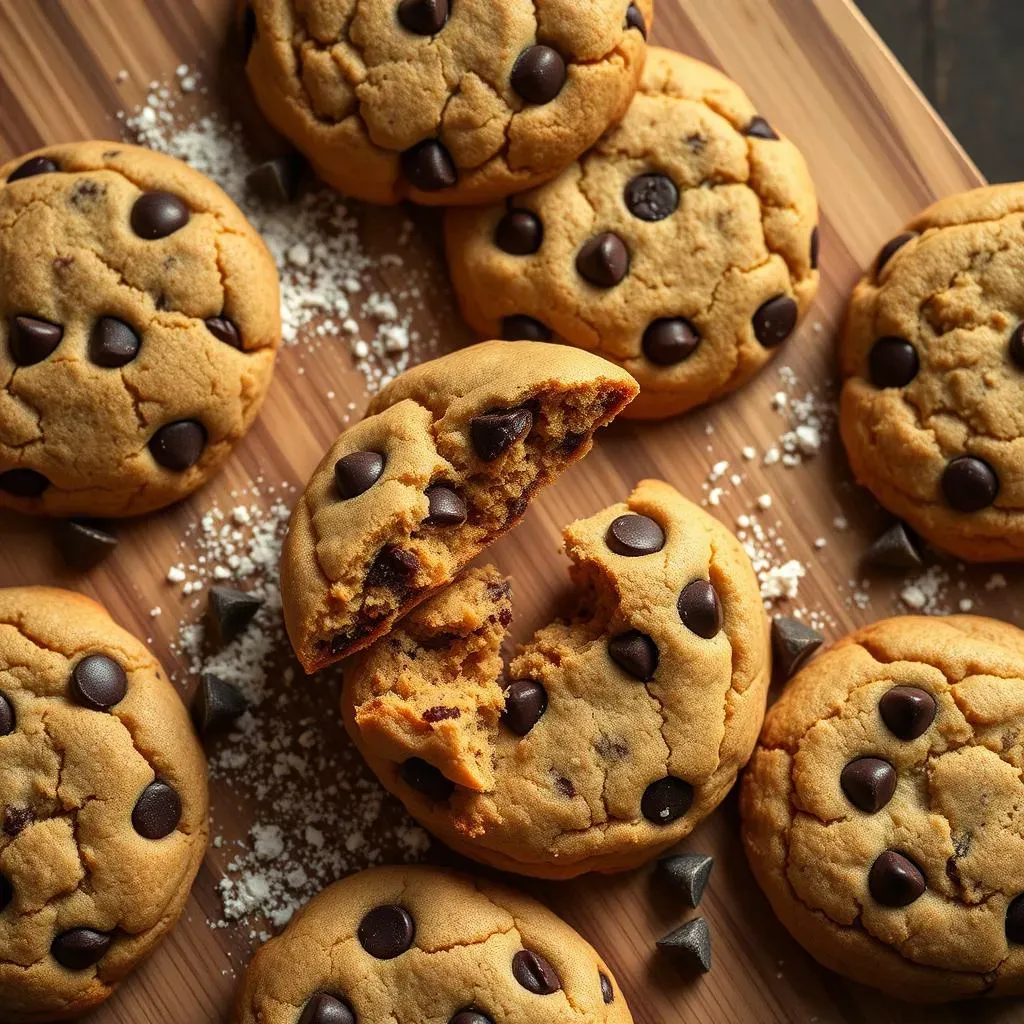
While the dough is chilling, preheat your oven to 375°F (190°C) and line a baking sheet with parchment paper. Once the dough is chilled, scoop it out onto the prepared baking sheet using a ⅓-cup scoop. This will give you those big, bakery-style cookies we're after. Bake for 13-14 minutes, or until the edges are lightly golden brown and the centers are still slightly soft. Let the cookies cool completely on the baking sheet before transferring them to a wire rack. This is important because they're very fragile when warm. And that's it! You've just mastered the art of the chocolate chip cookie using cake flour.
Step | Description | Why It Matters |
|---|---|---|
Cream Butter & Sugar | Beat until light and fluffy. | Incorporates air, creates tender texture. |
Add Eggs & Vanilla | Mix until combined. | Adds moisture and flavor. |
Combine Dry Ingredients | Mix until just combined, don't overmix. | Avoids tough cookies. |
Fold in Chocolate Chips | Gently distribute. | Evenly dispersed chocolatey goodness. |
Chill Dough | Refrigerate for at least 30 minutes. | Prevents spreading, enhances flavor. |
Bake | 375°F (190°C) for 13-14 minutes. | Perfectly golden edges, soft centers. |
Troubleshooting Your Cake Flour Chocolate Chip Cookies: Tips & Tricks
Troubleshooting Your Cake Flour Chocolate Chip Cookies: Tips & Tricks
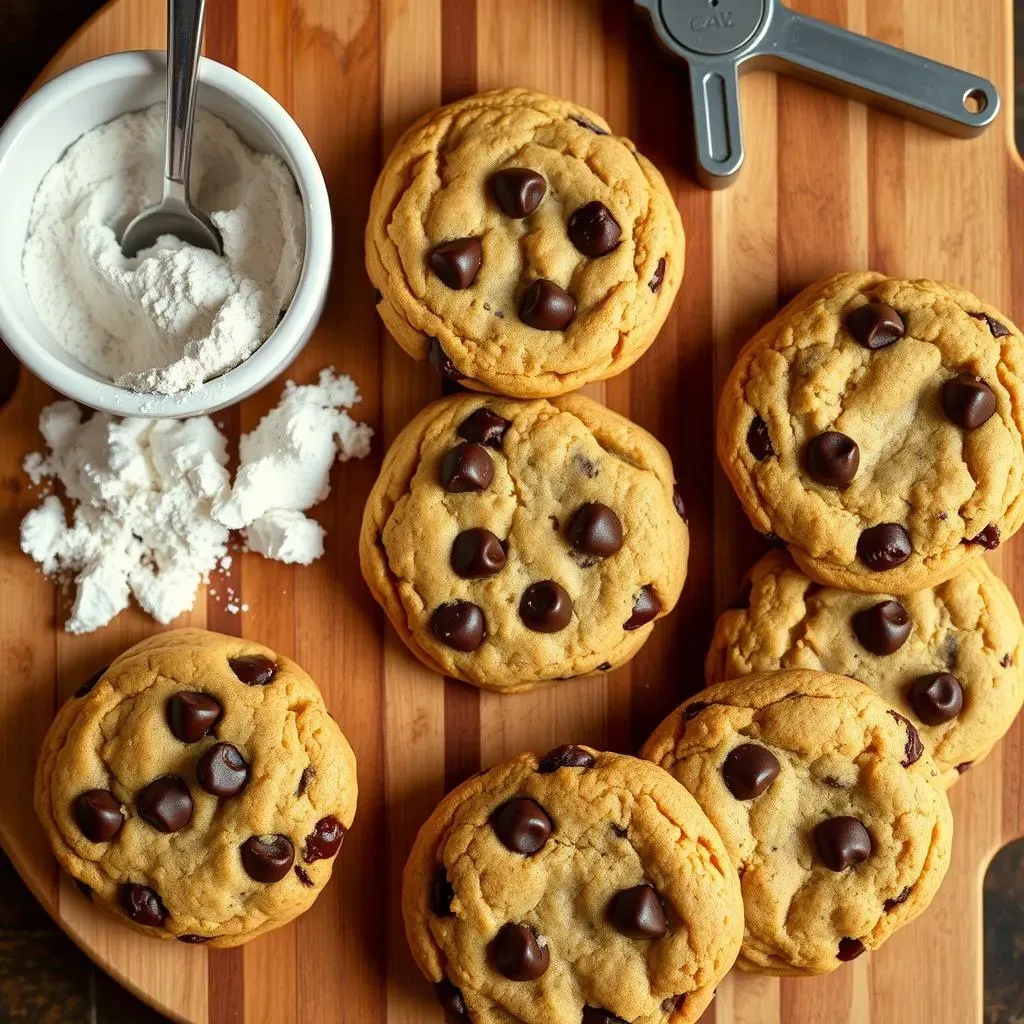
So, you've decided to embark on this delightful journey of baking chocolate chip cookie recipe using cake flour, but what happens when things don't go exactly as planned? Don't panic! Baking is a science, and sometimes, experiments need a little tweaking. Let's dive into some common cookie conundrums and how to solve them. Think of this as your cookie first-aid kit, ready to rescue you from any baking mishaps. From flat cookies to dry cookies, we've got you covered.
One of the most common issues is flat cookies. If your cookies are spreading too thin, it could be due to a few factors. First, make sure your butter wasn't too soft to begin with. It should be softened, not melted. Also, chilling the dough is crucial for preventing excessive spreading. If you've already chilled the dough and they're still spreading, try adding a tablespoon or two of extra cake flour to the dough. Another culprit could be oven temperature. Make sure your oven is properly preheated, and consider using an oven thermometer to ensure it's accurate. Nobody wants a pancake when they are expecting a cookie!
On the flip side, you might end up with cookies that are too dry or crumbly. This is often caused by too much flour. Always measure your flour carefully, preferably using a kitchen scale. Spoon the flour into the measuring cup and level it off with a knife, rather than scooping it directly from the bag. This will prevent you from packing too much flour into the cup. Another tip is to make sure you're not overbaking the cookies. They should be lightly golden around the edges but still slightly soft in the center. They'll continue to bake as they cool on the baking sheet. Finally, ensure you have enough butter and eggs in your recipe. These ingredients add moisture and richness to the cookies.
Problem | Possible Cause | Solution |
|---|---|---|
Flat Cookies | Butter too soft, dough not chilled, oven temp too low | Use softened (not melted) butter, chill dough longer, check oven temp |
Dry/Crumbly Cookies | Too much flour, overbaking, not enough butter/eggs | Measure flour carefully, don't overbake, check ingredient ratios |
Tough Cookies | Overmixing the dough | Mix until just combined |
Cake Flour Chocolate Chip Cookie FAQs: Solved!
Cake Flour Chocolate Chip Cookie FAQs: Solved!
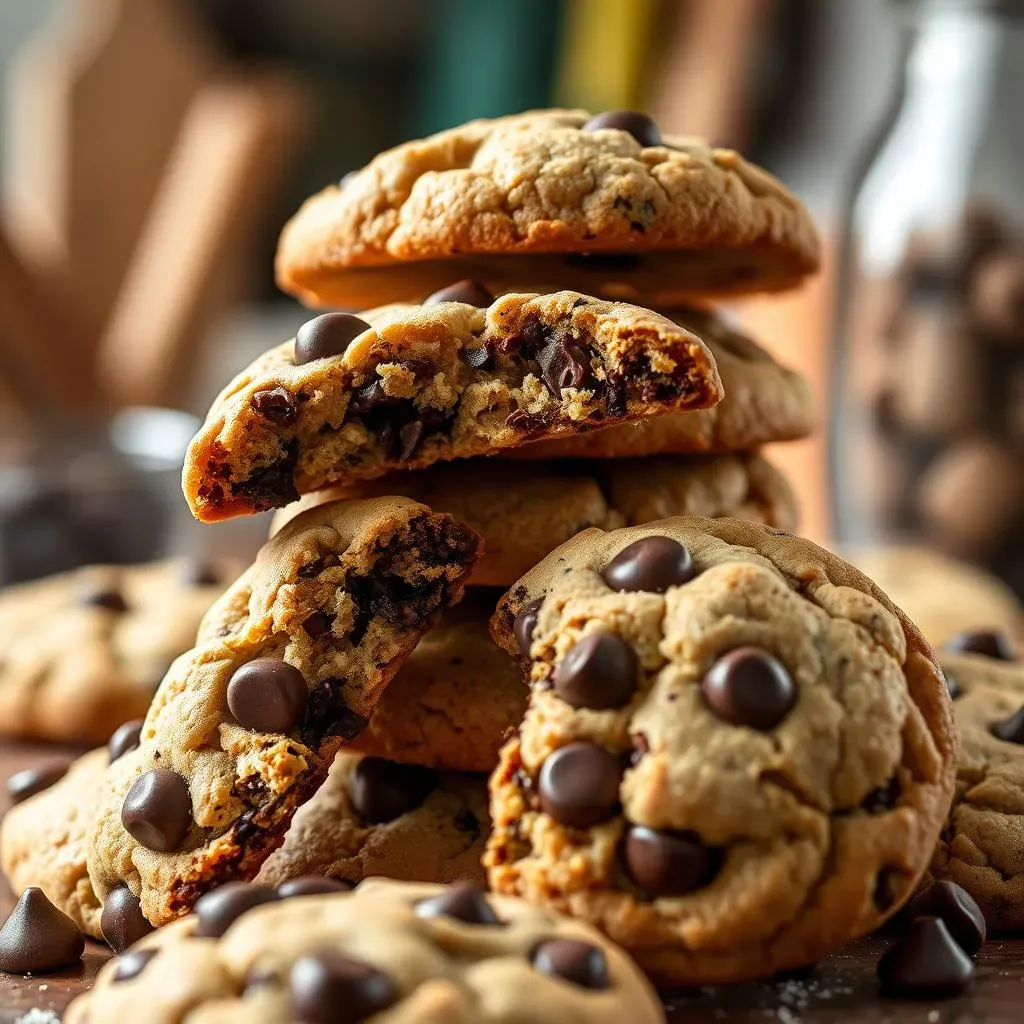
Alright, let's tackle those burning questions! Baking can be a mysterious process, and even the most seasoned bakers encounter snags. So, let's get down to the nitty-gritty of Cake Flour Chocolate Chip Cookie FAQs: Solved!. We're talking about everything from storage solutions to ingredient substitutions, ensuring your cookie journey is smooth sailing from start to finish. Consider this your cheat sheet to cookie success, packed with answers to common questions and helpful tips to elevate your baking game.
Q: Can I make the dough ahead of time? Absolutely! In fact, chilling the dough for longer than 30 minutes (even overnight) can actually enhance the flavor and texture of the cookies. Just be sure to wrap it tightly in plastic wrap to prevent it from drying out. When you're ready to bake, let the dough sit at room temperature for about 15-20 minutes to soften slightly before scooping. This is a great way to break up the baking process and have freshly baked cookies whenever the craving strikes.
Q: Can I substitute all-purpose flour for cake flour? While cake flour is the star of this recipe, you *can* substitute all-purpose flour in a pinch. However, be prepared for a slightly different texture. All-purpose flour will result in a chewier cookie, while cake flour creates a softer, more tender crumb. If you do substitute, reduce the amount of all-purpose flour by a tablespoon or two to prevent the cookies from becoming too dense. Also, make sure you are using a high-quality all-purpose flour for the best results.
Q: How should I store these cookies? To keep your cookies fresh and delicious, store them in an airtight container at room temperature. They'll stay soft and chewy for up to 3-4 days. For longer storage, you can freeze the baked cookies or the unbaked dough. To freeze the baked cookies, simply place them in a freezer-safe bag or container. To freeze the dough, scoop it out onto a baking sheet and freeze until solid, then transfer the frozen dough balls to a freezer-safe bag or container. When you're ready to bake, simply bake the frozen dough balls as directed, adding a few extra minutes to the baking time.
Question | Answer |
|---|---|
Make dough ahead? | Yes, chill for longer (even overnight) for better flavor. |
Substitute AP flour? | Possible, but reduce amount slightly for softer texture. |
How to store? | Airtight container at room temp for 3-4 days, or freeze. |
Your Perfect Chocolate Chip Cookie Awaits
So, there you have it – your complete guide to creating the ultimate chocolate chip cookie using cake flour. Armed with this recipe, the right techniques, and a little patience, you're now ready to whip up batches of cookies that are soft, chewy, and downright irresistible. Whether you're baking for a crowd, a special occasion, or simply treating yourself, remember that the magic of cake flour can transform your cookies from ordinary to extraordinary. Happy baking, and may your kitchen always be filled with the sweet aroma of freshly baked chocolate chip cookies!