
Table of Contents
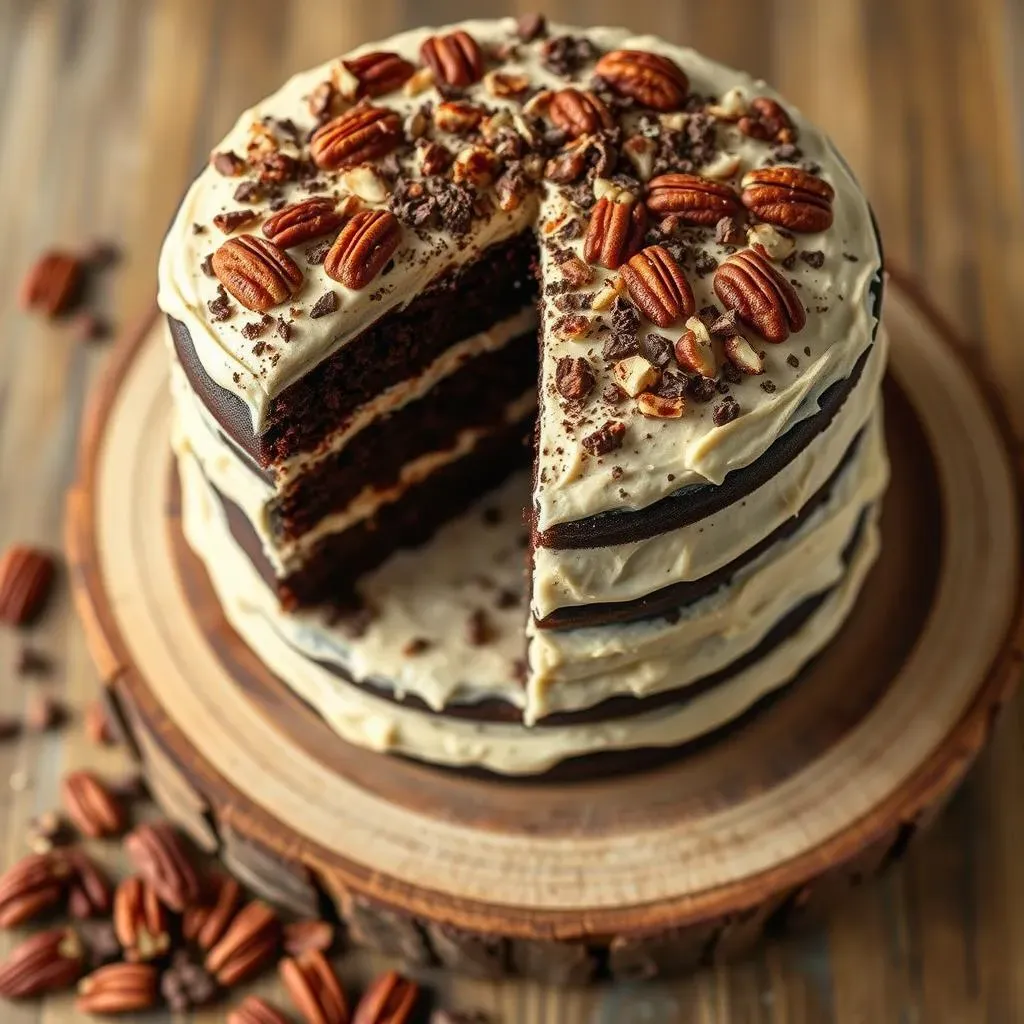
Let's be real, finding the best homemade German chocolate cake recipe can feel like searching for the Holy Grail. There are countless versions out there, each promising the ultimate chocolatey, coconutty experience. But how many actually deliver? This isn't just another recipe; it's a deep dive into what makes a German chocolate cake truly exceptional. We're talking about achieving that perfect balance of moist, tender cake layers, a rich, not-too-sweet chocolate flavor, and of course, that iconic coconut pecan frosting that everyone raves about.
Why This Homemade German Chocolate Cake Recipe is the Best
Why This Homemade German Chocolate Cake Recipe is the Best
It's All About the Flavor Balance
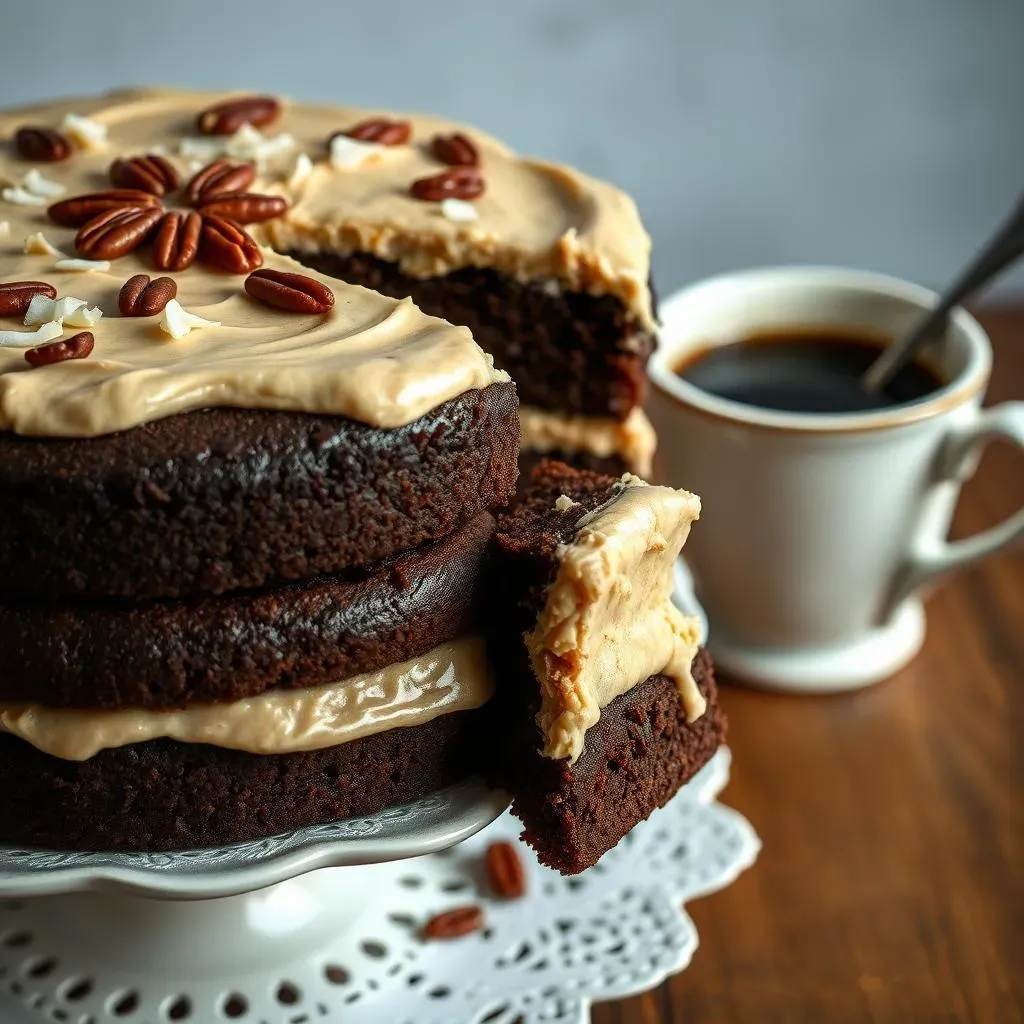
so what sets this recipe apart? It's simple: the balance. Many German chocolate cakes are either too sweet, too dry, or the chocolate flavor gets lost in the shuffle. This recipe nails it. We're using a specific ratio of unsweetened cocoa powder to bring out a deep, rich chocolate flavor without overpowering the other ingredients. The buttermilk keeps things incredibly moist, while a touch of coffee (yes, coffee!) enhances the chocolate notes even further. It's not just sweet; it's complex and satisfying.
And let’s talk about the frosting. Forget those overly sugary, grainy frostings you might have encountered. This coconut pecan frosting is creamy, nutty, and perfectly balanced with just the right amount of sweetness. It complements the cake beautifully, creating a symphony of flavors and textures that will leave you wanting more. Trust me; it's a game-changer.
The Secret's in the Technique (and the Ingredients!)
Beyond the flavor, the technique is crucial. We're not just throwing ingredients together and hoping for the best. This recipe uses a specific mixing method to develop the gluten in the flour properly, resulting in a tender crumb that holds its shape. We also pay close attention to the temperature of the ingredients, ensuring that everything emulsifies properly for a smooth, even batter. It’s the little things that make a big difference.
Also, quality ingredients matter. Splurge on good-quality cocoa powder and vanilla extract. Use fresh buttermilk for the best flavor and texture. And don't skimp on the pecans! These details elevate the cake from good to extraordinary. It's worth the extra effort to use the best ingredients you can find, because it really shows in the final product.
- Use Good Quality Cocoa: Dutch-processed cocoa will give a richer flavor.
- Don't Overbake: Check for doneness with a toothpick – it should come out with a few moist crumbs.
- Let It Cool Completely: Before frosting, to prevent melting.
Secrets to a Perfectly Moist German Chocolate Cake
Secrets to a Perfectly Moist German Chocolate Cake
Buttermilk is Your Best Friend
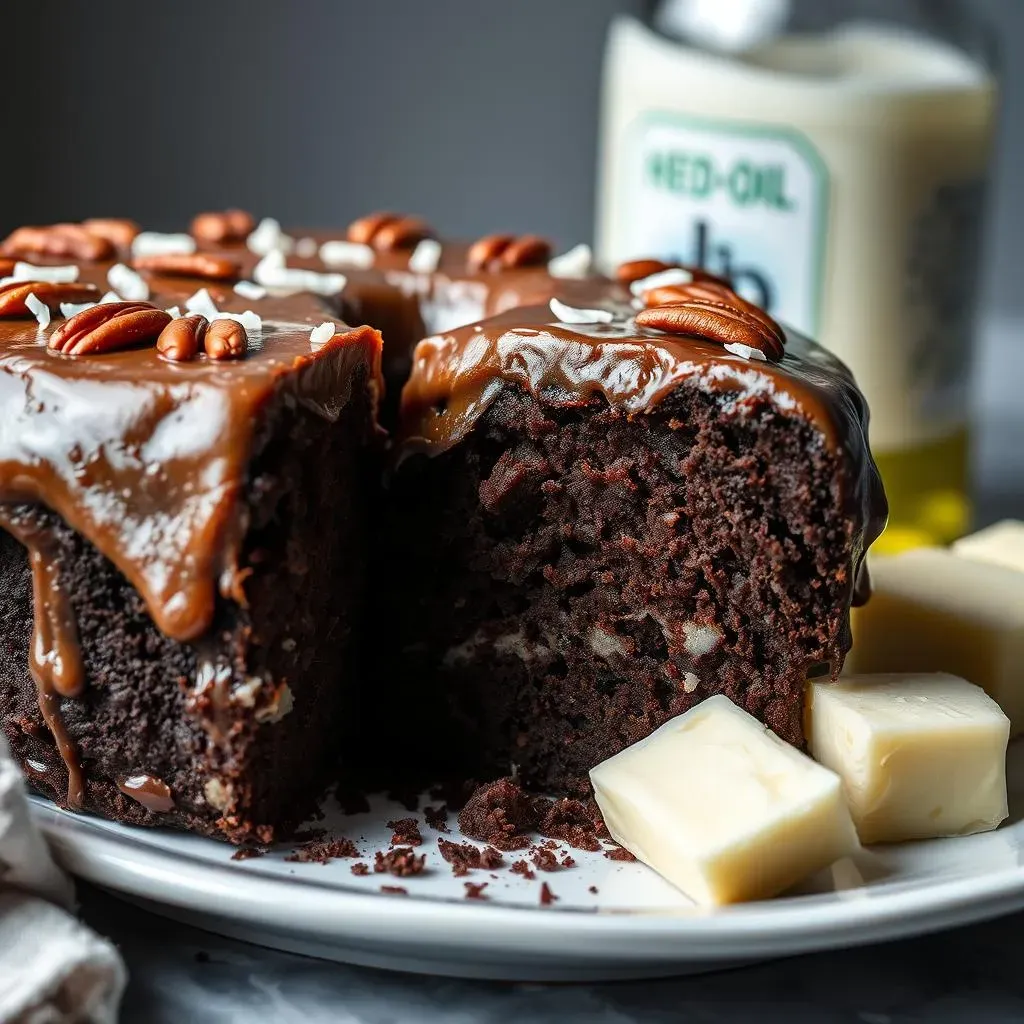
Seriously, don't even think about skipping the buttermilk. It's the key to that tender, melt-in-your-mouth texture that defines a great German chocolate cake. The acidity in buttermilk tenderizes the gluten in the flour, preventing the cake from becoming tough. Plus, it adds a subtle tang that balances the sweetness of the cake and frosting. If you don't have buttermilk on hand, you can make a quick substitute by adding a tablespoon of lemon juice or vinegar to a cup of milk. Let it sit for a few minutes to curdle slightly before using.
Ever wondered why some cakes are dry and crumbly while others are moist and delightful? It often comes down to the liquid-to-dry ingredient ratio. Buttermilk helps maintain this balance, ensuring your cake stays moist even after a few days (if it lasts that long!). It's like a little insurance policy against dry cake disappointment.
Oil vs. Butter: The Great Debate
let's settle this once and for all. While butter adds a lovely flavor to cakes, oil is the real MVP when it comes to moisture. Oil, unlike butter, remains liquid at room temperature, which helps keep the cake soft and moist for longer. This recipe uses a combination of both – a little butter for flavor, and oil for moisture. It's the best of both worlds!
Think of it this way: butter creates a richer taste initially, but oil ensures that the cake doesn't dry out as quickly. It’s a strategic choice that pays off in the long run. So, don't be afraid to embrace the oil! Your taste buds will thank you, especially on day two (if there are any leftovers, that is).
Don't Overbake: A Golden Rule
This might seem obvious, but it's worth repeating: overbaking is the enemy of moist cake. A few extra minutes in the oven can transform a perfectly moist cake into a dry, crumbly disaster. Start checking for doneness a few minutes before the recommended baking time. A toothpick inserted into the center should come out with a few moist crumbs attached. That's your cue to pull it out of the oven!
Remember, the cake will continue to bake slightly as it cools in the pan. So, it's better to err on the side of slightly underbaked than overbaked. Trust your instincts and your toothpick. And don't be afraid to experiment with your oven – every oven is different, so baking times may vary slightly. With a little practice, you'll become a master of the moist cake game.
Ingredient | Why It Matters for Moisture |
|---|---|
Buttermilk | Adds acidity to tenderize gluten and maintain liquid balance. |
Oil | Remains liquid at room temperature, keeping the cake soft. |
Cocoa Powder | Use dutch for more moisture |
Making the Classic Coconut Pecan Frosting (and Chocolate!)
Making the Classic Coconut Pecan Frosting (and Chocolate!)
The Heart of German Chocolate Cake: Coconut Pecan Goodness
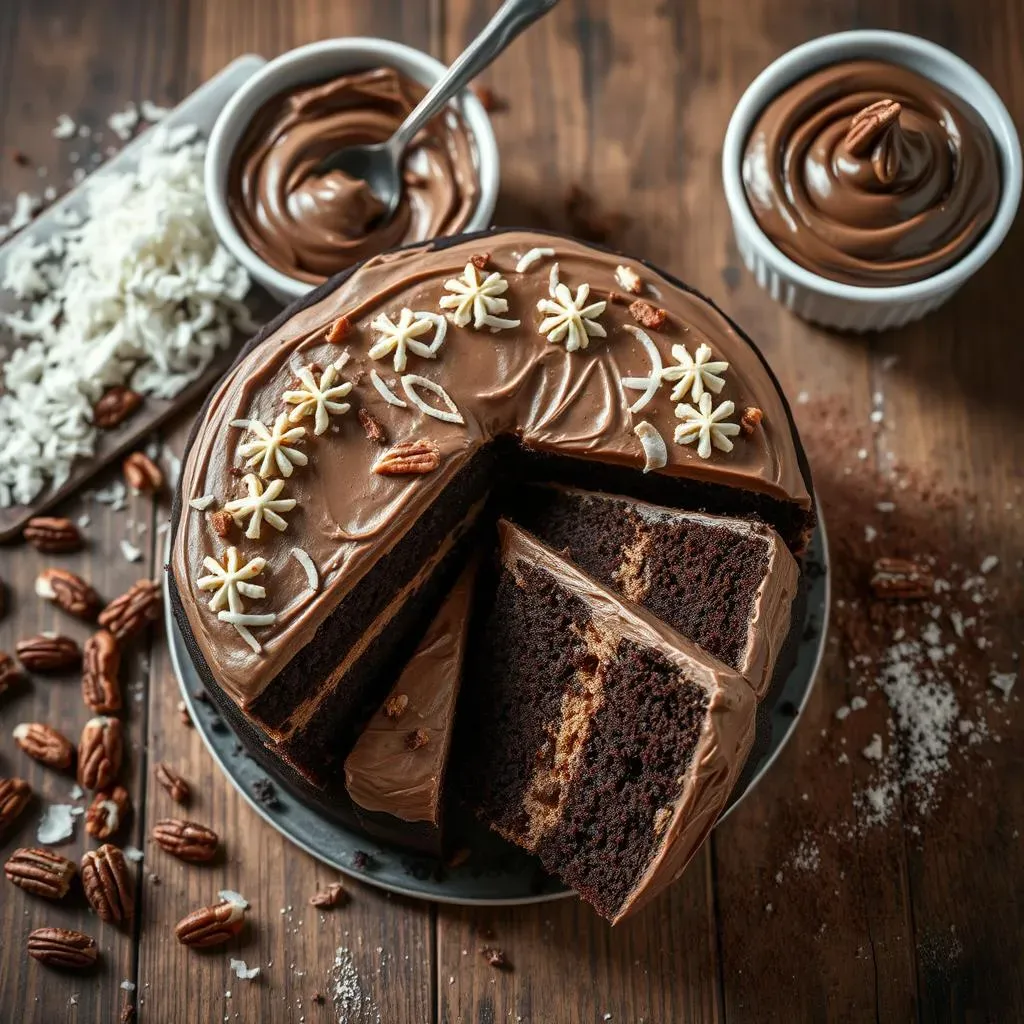
Let’s be honest, the frosting is what truly defines a German chocolate cake. It’s that gooey, coconutty, pecan-studded dream that everyone anticipates. This isn't your average frosting; it's a cooked frosting, which means we're making a custard base. This gives it a richness and depth of flavor that you just can't get from a simple buttercream. We're talking brown sugar, butter, egg yolks, evaporated milk – the whole shebang! It might sound intimidating, but trust me, it's easier than you think, and the results are well worth the effort.
The key here is patience. You need to cook the frosting over medium heat, stirring constantly, until it thickens to the consistency of a pudding. Don't rush it! If you cook it too quickly, the eggs can curdle, and nobody wants lumpy frosting. Once it's thickened, you stir in the coconut, pecans, and a touch of vanilla extract. And that’s it! You've just created frosting magic.
Adding the Chocolate Touch
While the coconut pecan frosting is the star of the show, a little chocolate frosting never hurt anyone. In fact, many German chocolate cake recipes include a thin layer of chocolate frosting between the cake layers, or as a decorative element on top. We're keeping things simple here with a basic chocolate buttercream. All you need is butter, powdered sugar, cocoa powder, a splash of milk, and a touch of vanilla extract. Beat it all together until it's light and fluffy, and you're good to go!
Feel free to get creative with your chocolate frosting. Add a pinch of espresso powder to enhance the chocolate flavor, or a tablespoon of melted chocolate for an even richer taste. You can also use different types of cocoa powder to create different shades of chocolate frosting. The possibilities are endless! Just remember to taste as you go and adjust the ingredients to your liking. It's your cake, after all!
Frosting Component | Role |
|---|---|
Brown Sugar | Adds moisture and caramel notes to the coconut pecan frosting. |
Egg Yolks | Creates a rich and creamy custard base. |
Cocoa Powder | Provides the chocolate flavor in the chocolate frosting. |
Pecans and coconut | Provide texture and flavor |
Tips for Frosting Success
Before you start frosting, make sure your cake layers are completely cool. This is crucial! If the cake is even slightly warm, the frosting will melt and slide right off. Place the cake layers in the refrigerator for about 30 minutes to ensure they're nice and firm. This will make frosting much easier and prevent a melty mess.
When frosting the cake, start with a thin crumb coat. This is a thin layer of frosting that seals in any loose crumbs and creates a smooth surface for the final layer of frosting. Once the crumb coat is set, you can apply a thicker layer of frosting and decorate as desired. Get creative with your decorations! Use chopped pecans, shredded coconut, chocolate shavings, or even edible flowers to make your cake look as good as it tastes.
- Cool the cake completely: Before frosting to prevent melting.
- Make a crumb coat: To seal in loose crumbs.
- Get creative with decorations: Use nuts, coconut, or chocolate shavings.
Assembling and Decorating Your Best German Chocolate Cake
Assembling and Decorating Your Best German Chocolate Cake
Layering Like a Pro
Alright, you've got your cake layers cooled and your frostings ready to go. Now comes the fun part: assembling your masterpiece! Start by leveling your cake layers. This ensures that your cake will be nice and even, and prevents any frosting avalanches. Use a serrated knife to trim off any domed tops. Don't toss those scraps! You can use them to make cake pops or trifles.
Place one cake layer on your serving plate or cake stand. Spread a generous layer of coconut pecan frosting evenly over the top. Then, carefully place the second cake layer on top and repeat with another layer of coconut pecan frosting. If you're using a chocolate frosting, you can spread a thin layer of it between the cake layers for an extra touch of chocolatey goodness. Stack and frost until you run out of layers.
The Art of the Crumb Coat
Before you go all-in with the final layer of frosting, it's essential to apply a crumb coat. This is a thin layer of frosting that seals in any loose crumbs and creates a smooth surface for the final layer. Use an offset spatula to spread a thin layer of frosting all over the cake, making sure to cover every inch. Don't worry if it looks a little messy at this point. The goal is just to trap those pesky crumbs.
Once the crumb coat is applied, place the cake in the refrigerator for about 30 minutes to allow the frosting to set. This will make it much easier to apply the final layer of frosting without dragging crumbs all over the place. Trust me, this step is worth the extra time and effort. It's the secret to a smooth, professional-looking finish.
Step | Description |
|---|---|
Level Cake Layers | Trim off any domed tops for even stacking. |
Apply Coconut Pecan Frosting | Spread generously between each layer. |
Crumb Coat | Seal in loose crumbs with a thin layer of frosting. |
Showstopping Decorations
Now for the pièce de résistance: decorating your German chocolate cake! This is where you can really let your creativity shine. There are endless possibilities when it comes to decorating, so don't be afraid to experiment and try new things. You can keep it simple with a smooth layer of frosting and a sprinkle of chopped pecans, or you can go all out with elaborate piping and decorative elements.
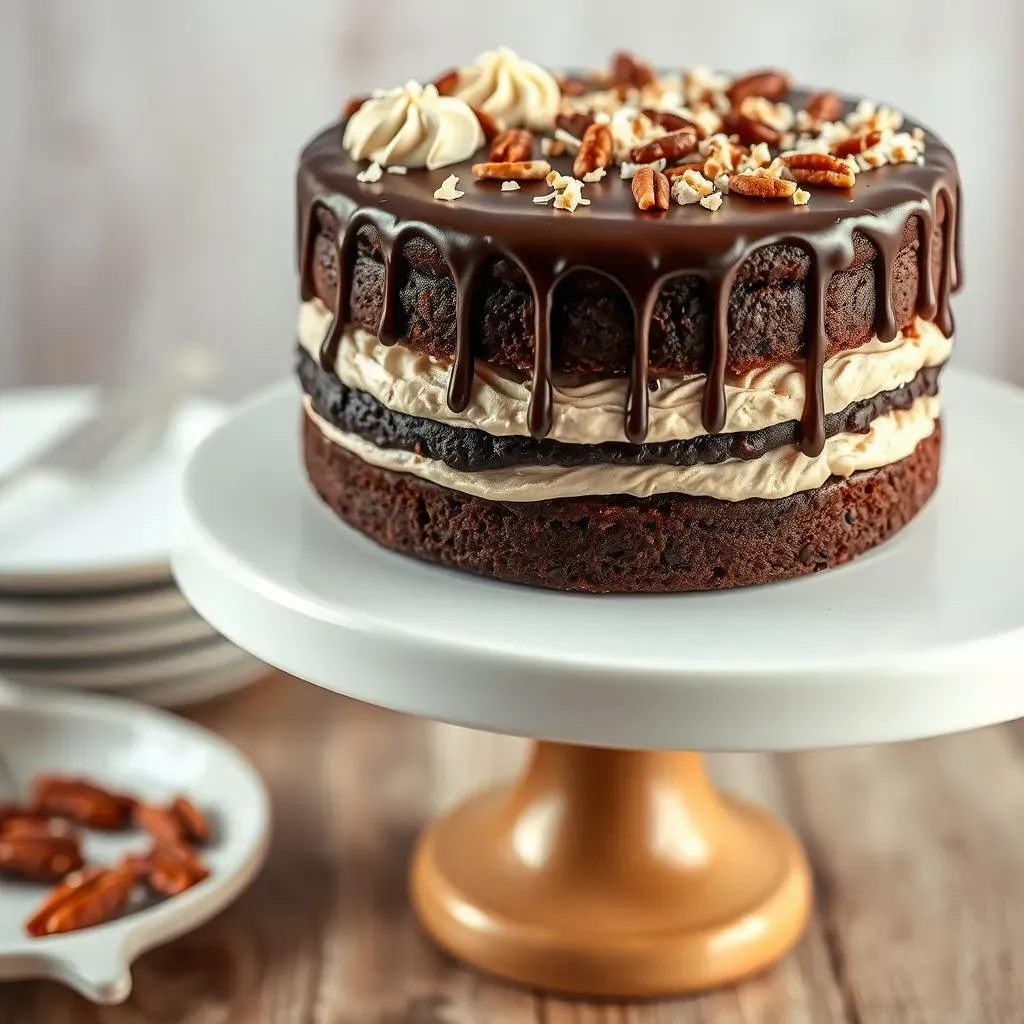
One classic decoration for German chocolate cake is to create a "dripping" effect with melted chocolate. Simply melt some chocolate chips and drizzle them around the edges of the cake, allowing them to drip down the sides. You can also use a piping bag to create decorative swirls, rosettes, or other patterns on top of the cake. And don't forget the finishing touches! A sprinkle of shredded coconut, chopped pecans, or chocolate shavings can add a touch of elegance and sophistication to your cake.
- Chocolate Drizzle: Melt chocolate chips and drizzle around the edges.
- Piping: Use a piping bag to create decorative swirls.
- Toppings: Sprinkle with shredded coconut, chopped pecans, or chocolate shavings.
The Sweetest Ending: Your Best Homemade German Chocolate Cake Awaits
So, there you have it – the best homemade German chocolate cake recipe, demystified and ready for you to conquer. From mastering the moist cake layers to whipping up that unforgettable coconut pecan frosting, you're now equipped to create a show-stopping dessert that's sure to impress. Don't be afraid to experiment with variations, tweak the sweetness to your liking, and most importantly, have fun with it. After all, baking should be a joyful experience, and the reward is a slice of pure, chocolatey, coconutty bliss. Now go forth and bake the best German chocolate cake of your life!