
Table of Contents
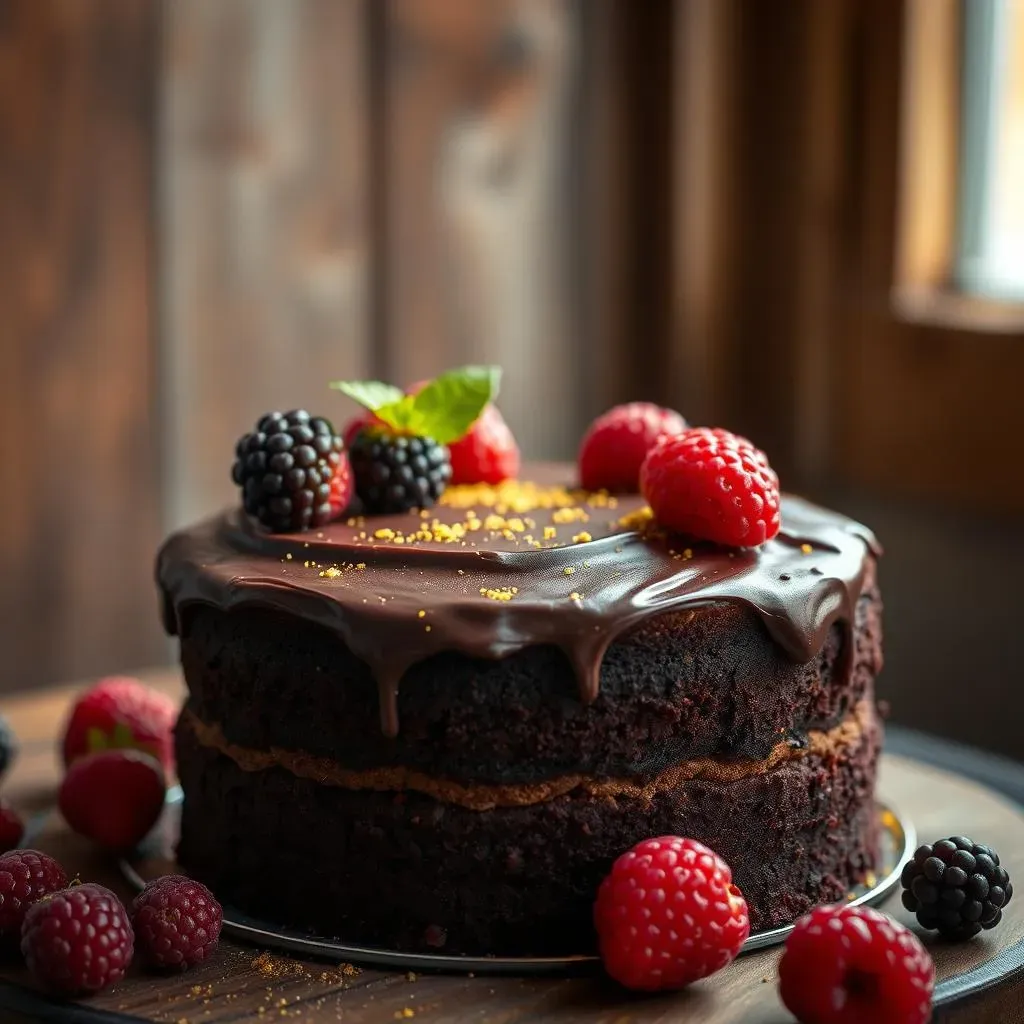
Let's face it, finding a truly satisfying gluten-free dessert can feel like searching for a unicorn. Especially when it comes to chocolate cake. Many attempts result in dry, crumbly disappointments that leave you craving the real deal. But fear not, fellow gluten-avoiders and chocolate lovers! The quest for the best gluten free chocolate cake recipe UK ends here. This isn't just another gluten-free recipe; it's a guide to creating a decadent, moist, and intensely chocolatey cake that rivals any traditional version. Forget those dry, tasteless imitations. We're diving deep into the secrets of gluten-free baking, from choosing the right flour blend to mastering the perfect frosting. Get ready to explore the tips and tricks that will transform your gluten-free baking game. We'll cover everything from essential ingredients and foolproof techniques, to troubleshooting common pitfalls. Prepare to bake a cake so good, no one will ever guess it's gluten-free!
Why GlutenFree Chocolate Cake? More Than Just a Trend
Why GlutenFree Chocolate Cake? More Than Just a Trend
The Rise of Gluten-Free Baking: Beyond Dietary Restrictions
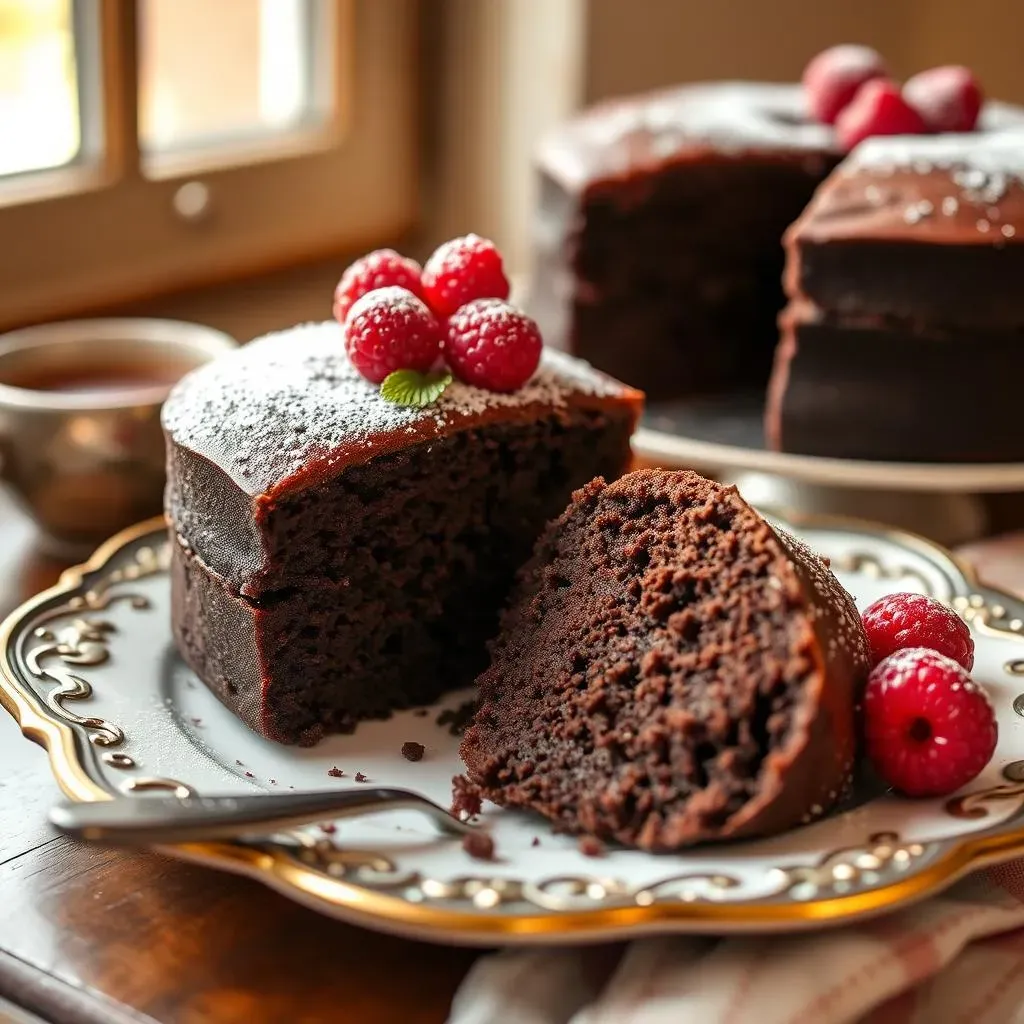
Gluten-free baking has exploded in popularity, and it's not just for those with celiac disease or gluten intolerance anymore. More and more people are exploring gluten-free options for various reasons, from perceived health benefits to simply wanting to try something new. And when it comes to desserts, chocolate cake is a classic that everyone craves. So, naturally, the demand for a truly delicious gluten-free chocolate cake has skyrocketed. It's about inclusivity, ensuring that everyone can enjoy a slice of cake at a celebration, regardless of their dietary needs.
But let's be real, many gluten-free baked goods fall short. They can be dry, crumbly, and lacking in flavor. That's why mastering the art of gluten-free chocolate cake is so important. It's about proving that you can have your cake and eat it too – without sacrificing taste or texture. It's about creating a dessert that's so good, no one will even realize it's gluten-free.
The Healthier Indulgence Factor: Is Gluten-Free Always Healthier?
While "gluten-free" doesn't automatically equate to "healthy," there's often a perception that it's a better-for-you option. This can be true in some cases, as gluten-free recipes often encourage the use of alternative flours like almond flour or oat flour, which can offer different nutritional profiles compared to traditional wheat flour. However, it's crucial to remember that gluten-free doesn't automatically mean low-sugar or low-fat. It's all about balance and making informed choices about the ingredients you use.
Think of it this way: a gluten-free chocolate cake can be a way to enjoy a treat while potentially incorporating more diverse nutrients into your diet. For example, using a blend of almond flour and cocoa powder can provide a boost of protein, fiber, and antioxidants. It's about making small swaps that can add up to a slightly healthier indulgence. Just remember to keep an eye on the sugar and fat content to ensure it aligns with your overall dietary goals.
The UK's Love Affair with Chocolate Cake: A Gluten-Free Twist
The UK has a long and storied love affair with chocolate cake. From afternoon tea to birthday celebrations, a slice of rich, decadent chocolate cake is a staple in British culture. So, it's no surprise that there's a huge demand for a gluten-free version that lives up to the expectations of discerning British palates. This means a cake that's moist, fudgy, and intensely chocolatey – not a dry, crumbly disappointment.
Finding the best gluten-free chocolate cake recipe in the UK is about more than just dietary needs; it's about preserving a beloved tradition. It's about ensuring that everyone can partake in the joy of sharing a delicious cake with friends and family, regardless of their dietary restrictions. And with the increasing availability of high-quality gluten-free ingredients in the UK, there's no reason why a gluten-free chocolate cake can't be just as good – if not better – than the traditional version.
Factor | Traditional Chocolate Cake | Gluten-Free Chocolate Cake |
|---|---|---|
Gluten Content | Contains gluten (wheat flour) | Gluten-free (alternative flours) |
Texture | Can be light and airy or dense and fudgy | Requires careful ingredient selection to achieve desired texture |
Flavor | Classic chocolate flavor | Can have subtle flavor variations depending on the flours used |
Dietary Suitability | Not suitable for those with gluten intolerance or celiac disease | Suitable for those with gluten intolerance or celiac disease |
The Quest for the Best GlutenFree Flour Blend for Chocolate Cake
The Quest for the Best GlutenFree Flour Blend for Chocolate Cake
Understanding Gluten's Role in Cake Structure
Before we dive into flour blends, let's quickly recap why gluten matters in traditional baking. Gluten, a protein found in wheat, provides structure and elasticity to baked goods. It's what gives cakes their rise and chewy texture. Without it, gluten-free baking can be tricky, often resulting in dense or crumbly results. That's where the right flour blend comes in – it's all about mimicking gluten's properties to create a cake that's both delicious and structurally sound.
Think of gluten as the scaffolding of a building. It holds everything together. In gluten-free baking, we need to find alternative materials to build that scaffolding. This is where different gluten-free flours come into play, each offering unique properties that contribute to the overall structure and texture of the cake.
Single Flour vs. Flour Blends: The Pros and Cons
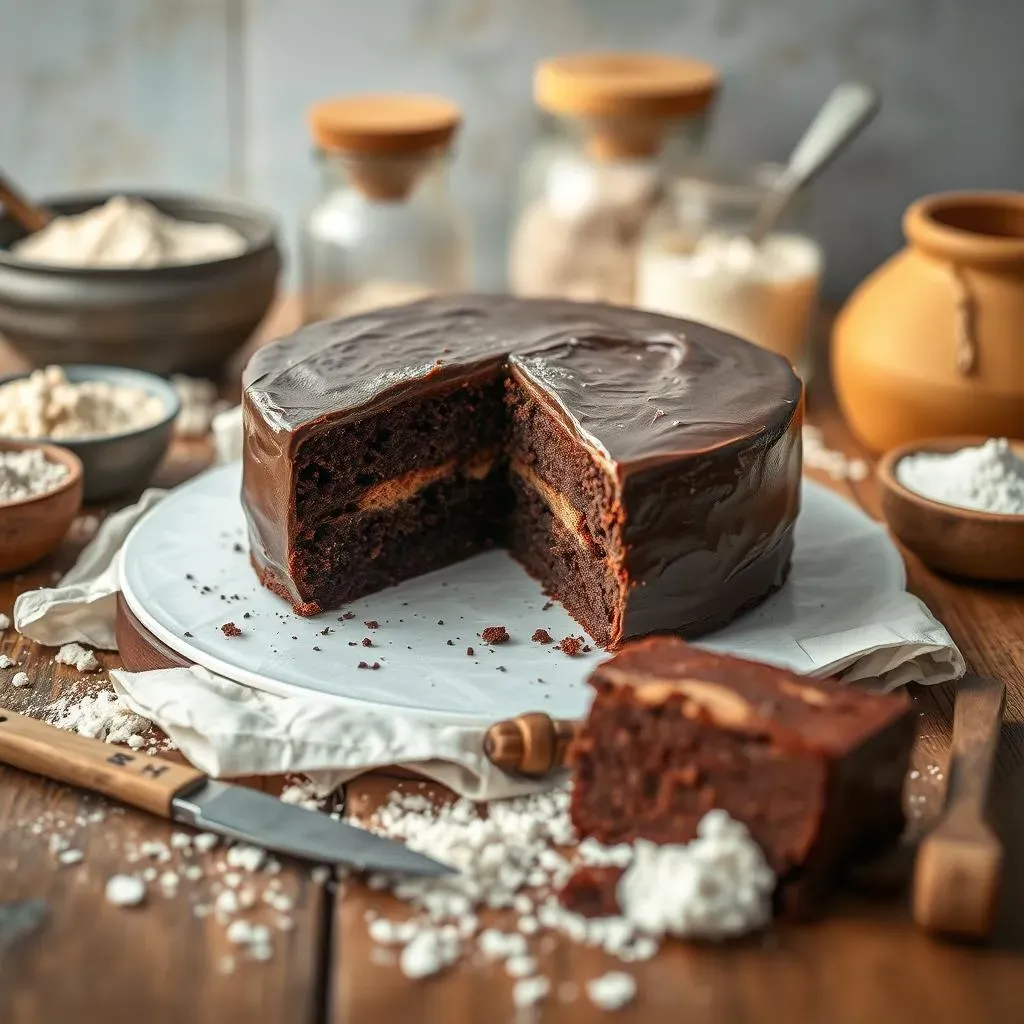
You might be wondering, why not just use one type of gluten-free flour? While it's possible, using a single flour often leads to less-than-ideal results. Single flours like almond flour can be too oily, while others like rice flour can be too starchy. Flour blends, on the other hand, combine different flours to balance their individual properties and create a more complex and satisfying texture. It's like assembling a team of specialists, each bringing their unique skills to the table.
Ultimately, the best approach depends on your personal preferences and the specific recipe you're using. However, for most gluten-free chocolate cake recipes, a well-balanced flour blend will provide the most consistent and delicious results. It's about finding the right combination that works for you.
Key Gluten-Free Flours for Chocolate Cake (and Their Properties)
So, what are the key players in a winning gluten-free flour blend? Here's a rundown of some popular options and their unique characteristics:
- Rice Flour (Brown or White): A staple in gluten-free baking, provides a neutral flavor and good structure.
- Tapioca Starch/Flour: Adds chewiness and helps bind ingredients together.
- Potato Starch: Contributes to a light and airy texture.
- Almond Flour: Adds moisture, richness, and a slightly nutty flavor.
- Oat Flour (Certified Gluten-Free): Provides a soft texture and subtle sweetness.
- Sorghum Flour: Offers a mild, slightly sweet flavor and good binding properties.
Each of these flours brings something different to the table. Rice flour provides structure, tapioca starch adds chewiness, and almond flour contributes moisture. By combining these flours in the right proportions, you can create a blend that mimics the properties of gluten and results in a delicious, well-textured chocolate cake.
Gluten-Free Flour | Texture Contribution | Flavor Profile | Best Used For |
|---|---|---|---|
Rice Flour | Structure, slight dryness | Neutral | Base flour in blends, cakes, cookies |
Tapioca Starch | Chewiness, binding | Slightly sweet | Adding texture to breads and cakes |
Potato Starch | Lightness, airiness | Neutral | Cakes, muffins, delicate pastries |
Almond Flour | Moisture, richness | Nutty | Cakes, muffins, some cookies |
Secrets to a Fudgy, Moist GlutenFree Chocolate Cake (UK Edition)
Secrets to a Fudgy, Moist GlutenFree Chocolate Cake (UK Edition)
The Importance of Fat: Oil vs. Butter (and Why Both Can Work)
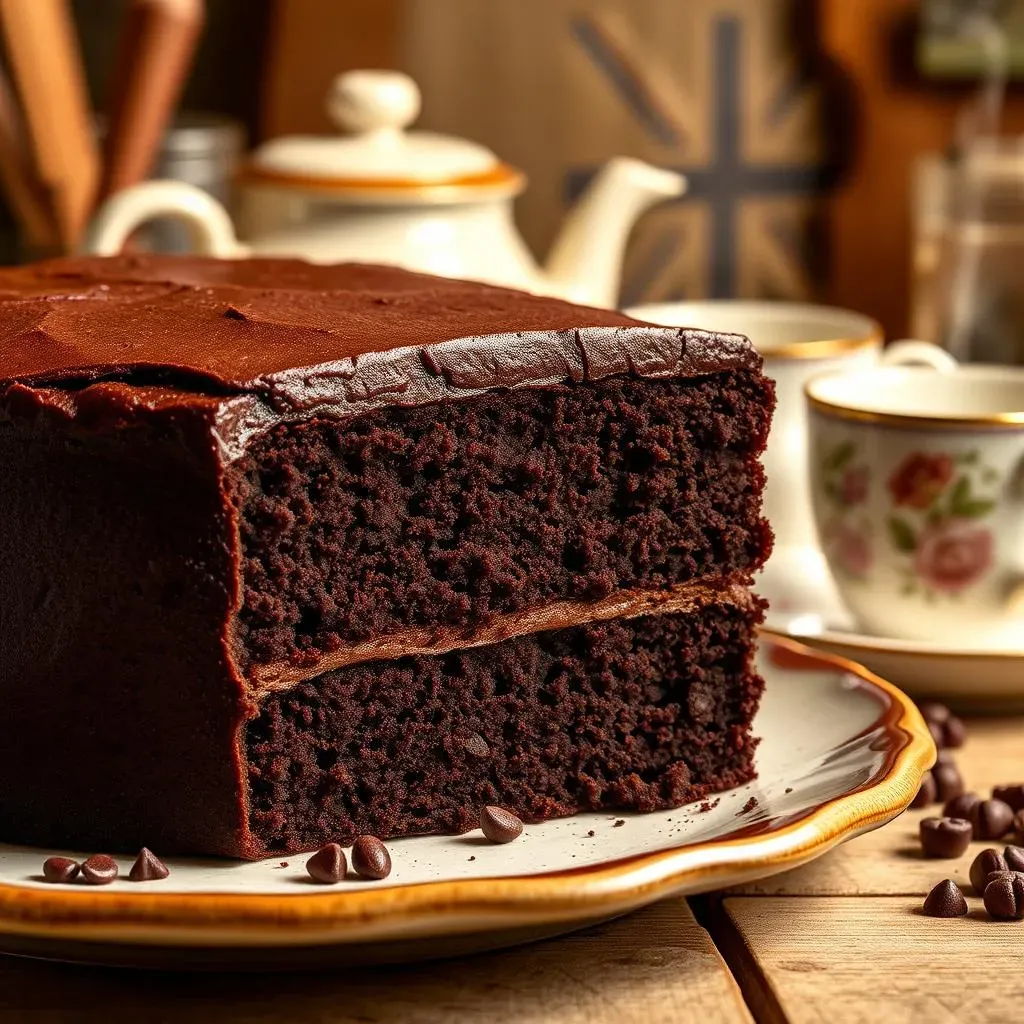
Alright, let's get down to the nitty-gritty. Fat is your friend when it comes to a moist chocolate cake, gluten-free or not. In the UK, you'll often see recipes calling for either oil or butter, and honestly, both can work beautifully – it just depends on what you're going for. Oil will give you a super moist cake with a slightly more even crumb, while butter adds a richer flavor and a slightly denser texture. For a truly decadent experience, consider using a combination of both! A little melted butter for flavor and some oil for moisture? Yes, please!
Don't skimp on the fat! Gluten-free flours tend to absorb more moisture than wheat flour, so you need that extra fat to keep the cake from drying out. Think of it as the "glue" that holds everything together and keeps it moist and delicious. Experiment with different ratios of oil and butter to find your perfect balance. You might be surprised at the difference it makes.
The Magic of Buttermilk (or a Clever Substitute)
Here's a little secret weapon that many UK bakers swear by: buttermilk! Buttermilk adds a subtle tanginess that enhances the chocolate flavor and helps to tenderize the cake. It also reacts with baking soda to create a beautiful rise. If you don't have buttermilk on hand, don't fret! You can easily make a substitute by adding a tablespoon of lemon juice or white vinegar to a cup of regular milk. Let it sit for a few minutes until it curdles slightly, and voila! You've got a homemade buttermilk substitute that works like a charm.
The acidity in buttermilk (or its substitute) helps to break down the gluten-free flours, resulting in a more tender and moist cake. It also adds a subtle complexity of flavor that complements the rich chocolate notes. So, whether you're using real buttermilk or a clever substitute, don't skip this step – it's a game-changer!
Cocoa Powder Power: Dutch-Processed vs. Natural (and Why It Matters)
cocoa powder might seem like a simple ingredient, but it can actually have a big impact on the flavor and texture of your gluten-free chocolate cake. In the UK, you'll typically find two main types of cocoa powder: Dutch-processed and natural. Dutch-processed cocoa powder has been treated with an alkaline solution to neutralize its acidity, resulting in a smoother, mellower flavor and a darker color. Natural cocoa powder, on the other hand, is more acidic and has a more intense, bitter flavor. For most gluten-free chocolate cake recipes, Dutch-processed cocoa powder is the way to go. It creates a richer, more balanced flavor and helps to keep the cake moist.
The type of cocoa powder you use can also affect the rise of your cake. Natural cocoa powder reacts with baking soda to create leavening, while Dutch-processed cocoa powder doesn't. So, if you're using natural cocoa powder, you might need to adjust the amount of baking soda in your recipe. But in general, for a consistent and reliable result, stick with Dutch-processed cocoa powder. It's the secret to a deeply chocolatey and perfectly moist gluten-free cake.
Cocoa Powder Type | Acidity Level | Flavor Profile | Color | Best Used For |
|---|---|---|---|---|
Dutch-Processed | Neutral | Mellow, smooth | Darker | Most chocolate cakes, cookies, brownies |
Natural | Acidic | Intense, bitter | Lighter | Recipes with baking soda, some brownies |
Frosting and Finishing: Taking Your GlutenFree Chocolate Cake to the Next Level
Frosting and Finishing: Taking Your GlutenFree Chocolate Cake to the Next Level
Choosing the Perfect Frosting: From Classic Buttercream to Decadent Ganache
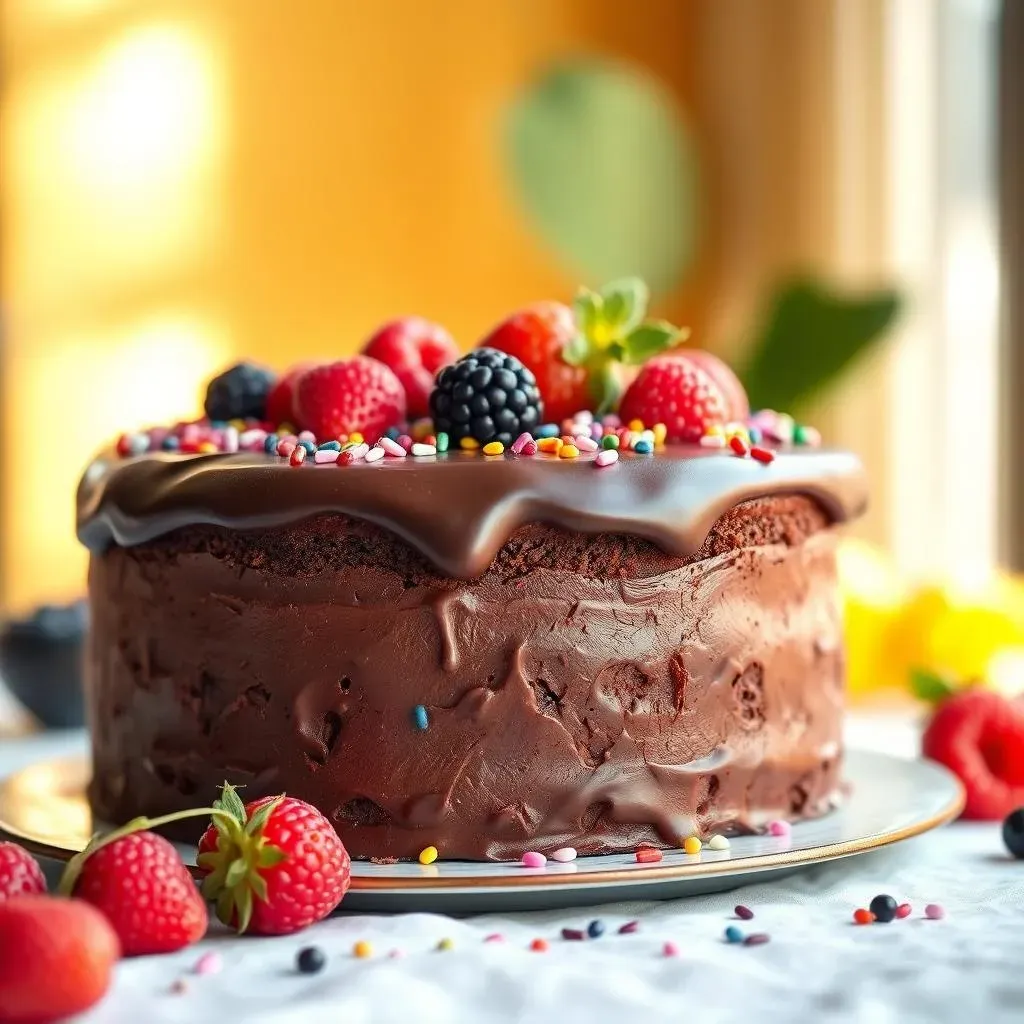
you've baked this amazing gluten-free chocolate cake, now what? Frosting, my friend, is where the magic truly happens. It's the final flourish that elevates your cake from "good" to "unforgettable." When it comes to gluten-free cakes, you have plenty of options, from classic buttercream to a rich chocolate ganache. A classic buttercream frosting can be made gluten-free simply by ensuring your icing sugar is gluten-free (most are, but always check the label!). It's light, fluffy, and pairs perfectly with chocolate cake. But if you're feeling extra indulgent, a chocolate ganache is the way to go. It's smooth, decadent, and adds an intense chocolate flavor that will send your taste buds into overdrive.
Consider the overall flavor profile you're aiming for. Do you want a sweet and creamy frosting, or something a bit more intense and chocolatey? A simple vanilla buttercream allows the chocolate flavor of the cake to shine, while a coffee-flavored buttercream adds a complementary richness. And don't be afraid to get creative! A hint of sea salt in your buttercream can enhance the sweetness and add a delightful complexity. Ultimately, the best frosting is the one that you enjoy the most.
Frosting Type | Texture | Flavor Profile | Pairs Well With |
|---|---|---|---|
Buttercream | Light, fluffy, creamy | Sweet, buttery, vanilla | Classic chocolate cake, vanilla cake |
Chocolate Ganache | Smooth, rich, decadent | Intense chocolate | Rich chocolate cake, flourless chocolate cake |
Cream Cheese Frosting | Tangy, creamy, slightly dense | Tangy, sweet | Red velvet cake, carrot cake |
Gluten-Free Decorations: Sprinkles, Chocolate Shavings, and More!
Now for the fun part: decorating! This is where you can really let your creativity shine. Make sure to verify that each item is gluten-free. You can find gluten-free sprinkles, chocolate shavings, fresh berries, and even edible flowers. A simple dusting of cocoa powder or icing sugar can also add an elegant touch. If you're feeling ambitious, you can even try making your own gluten-free chocolate decorations using melted chocolate and a piping bag.
Think about the overall theme you're going for. Are you creating a cake for a birthday, a holiday, or just a casual gathering? The decorations should reflect the occasion. For a birthday cake, colorful sprinkles and candles are always a hit. For a holiday cake, consider using seasonal fruits or edible glitter. And for a casual gathering, a simple dusting of cocoa powder or a scattering of fresh berries can be just perfect.
Serving Suggestions: Pairing Your Cake with the Perfect Accompaniments
So, you've baked and decorated your masterpiece. Now it's time to serve it! Consider the occasion and the preferences of your guests. A scoop of vanilla ice cream or a dollop of whipped cream is always a welcome addition. A drizzle of chocolate sauce or a scattering of fresh berries can also elevate the experience. And don't forget the drinks! A glass of cold milk, a cup of hot coffee, or a sweet dessert wine can all complement the flavors of your gluten-free chocolate cake.
For a truly decadent experience, consider serving your cake warm with a scoop of melting ice cream. The contrast between the warm cake and the cold ice cream is simply divine. And if you're serving your cake at a party, be sure to have plenty of options for your guests to choose from. Some might prefer a simple slice of cake, while others might want to indulge in all the accompaniments. The key is to create a welcoming and enjoyable experience for everyone.
- Vanilla Ice Cream
- Whipped Cream
- Fresh Berries (Raspberries, Strawberries)
- Chocolate Sauce
- Caramel Sauce
- Coffee or Tea
Troubleshooting Your GlutenFree Chocolate Cake Recipe UK: Common Mistakes and How to Avoid Them
Troubleshooting Your GlutenFree Chocolate Cake Recipe UK: Common Mistakes and How to Avoid Them
The Dry Cake Disaster: Hydration is Key
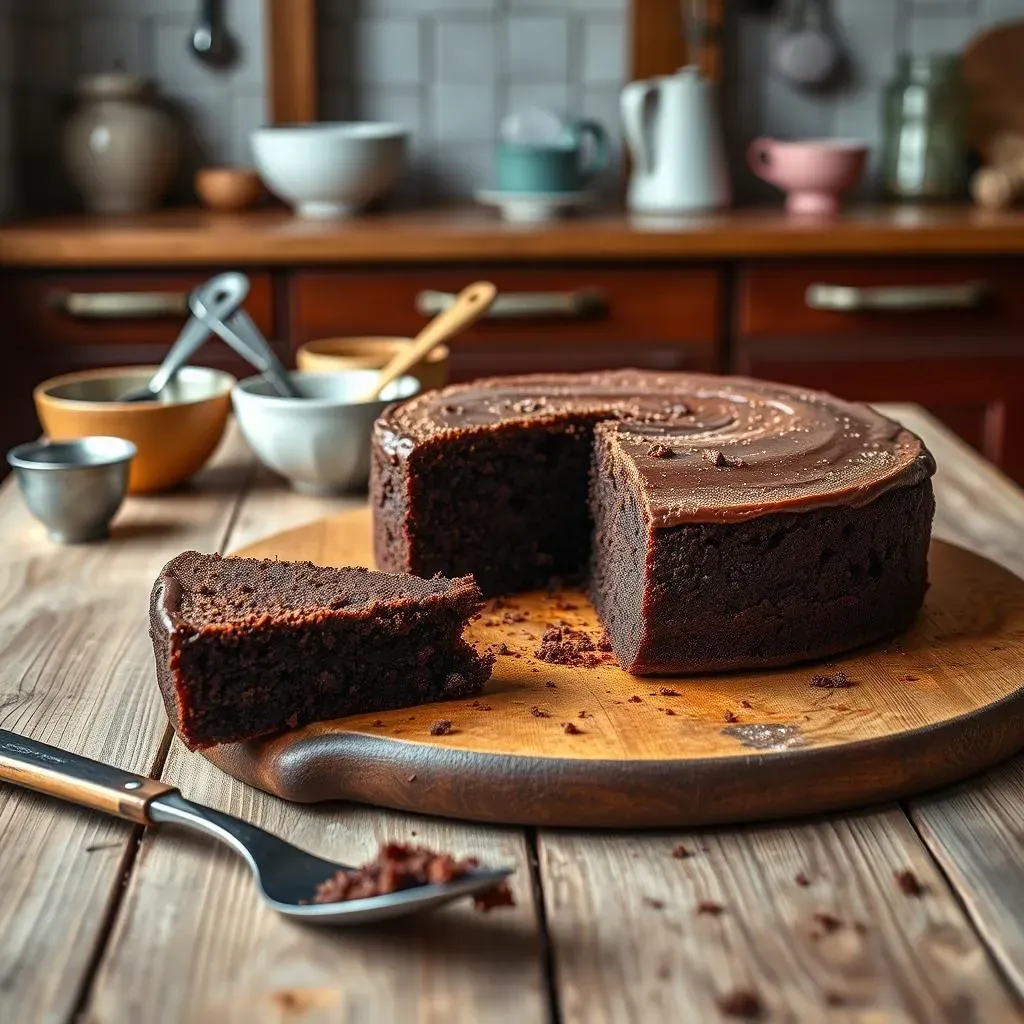
Oh, the dreaded dry gluten-free cake! It's a common problem, but easily avoidable. Often, this stems from the gluten-free flours absorbing too much liquid. UK kitchens, with their varying humidity levels, can exacerbate this. Ensure you're measuring your flours accurately – spooning and leveling is far better than scooping straight from the bag. Also, don't be afraid to add a tablespoon or two more of liquid (buttermilk, milk, or even coffee) if the batter seems too thick. Remember, a slightly wetter batter will bake into a moister cake.
Another culprit could be over-baking. Gluten-free cakes tend to bake faster than their wheat-based counterparts. Start checking for doneness a few minutes before the recipe suggests. A toothpick inserted into the center should come out with a few moist crumbs attached, not completely clean. And for goodness sake, don't open the oven door too often while it's baking! That sudden temperature change can wreak havoc on your cake's texture.
Problem | Possible Cause | Solution |
|---|---|---|
Dry Cake | Incorrect flour measurement, over-baking, too little liquid | Spoon and level flour, check for doneness early, add extra liquid if needed |
The Sinking Feeling: Avoiding a Collapsed Cake
A sinking cake is a baker's nightmare! This often happens when there's not enough structure to support the cake as it cools. It could be that your oven temperature isn't quite accurate (oven thermometers are your friend!). Also, make sure your raising agents (baking powder and/or baking soda) are fresh. They lose their effectiveness over time, and that rise is crucial.
Another potential cause is over-mixing the batter. While you want everything well combined, over-mixing can develop any potential gluten in the flour (even gluten-free flours have some proteins) and create a tough cake. Mix until just combined, and then stop. And resist the urge to open the oven door frequently during baking – that sudden temperature drop can cause the cake to collapse. Let it cool in the oven with the door slightly ajar before transferring it to a wire rack to cool completely.
The Sweetest Ending: Mastering the Best Gluten-Free Chocolate Cake Recipe UK
So there you have it – your comprehensive guide to conquering the world of gluten-free chocolate cake. Armed with the right knowledge, ingredients, and a little bit of patience, you can consistently bake a show-stopping cake that's both delicious and dietary-restriction-friendly. Remember, baking is a journey, not a destination. Don't be afraid to experiment, tweak the recipe to your liking, and most importantly, enjoy the process. Now go forth and bake the best gluten free chocolate cake the UK has ever seen! Share your creations, spread the joy, and let the revolution of delicious gluten-free desserts begin!